


Best management practices for safely applying, sampling, and analyzing manure to protect air and water quality.
Livestock operations
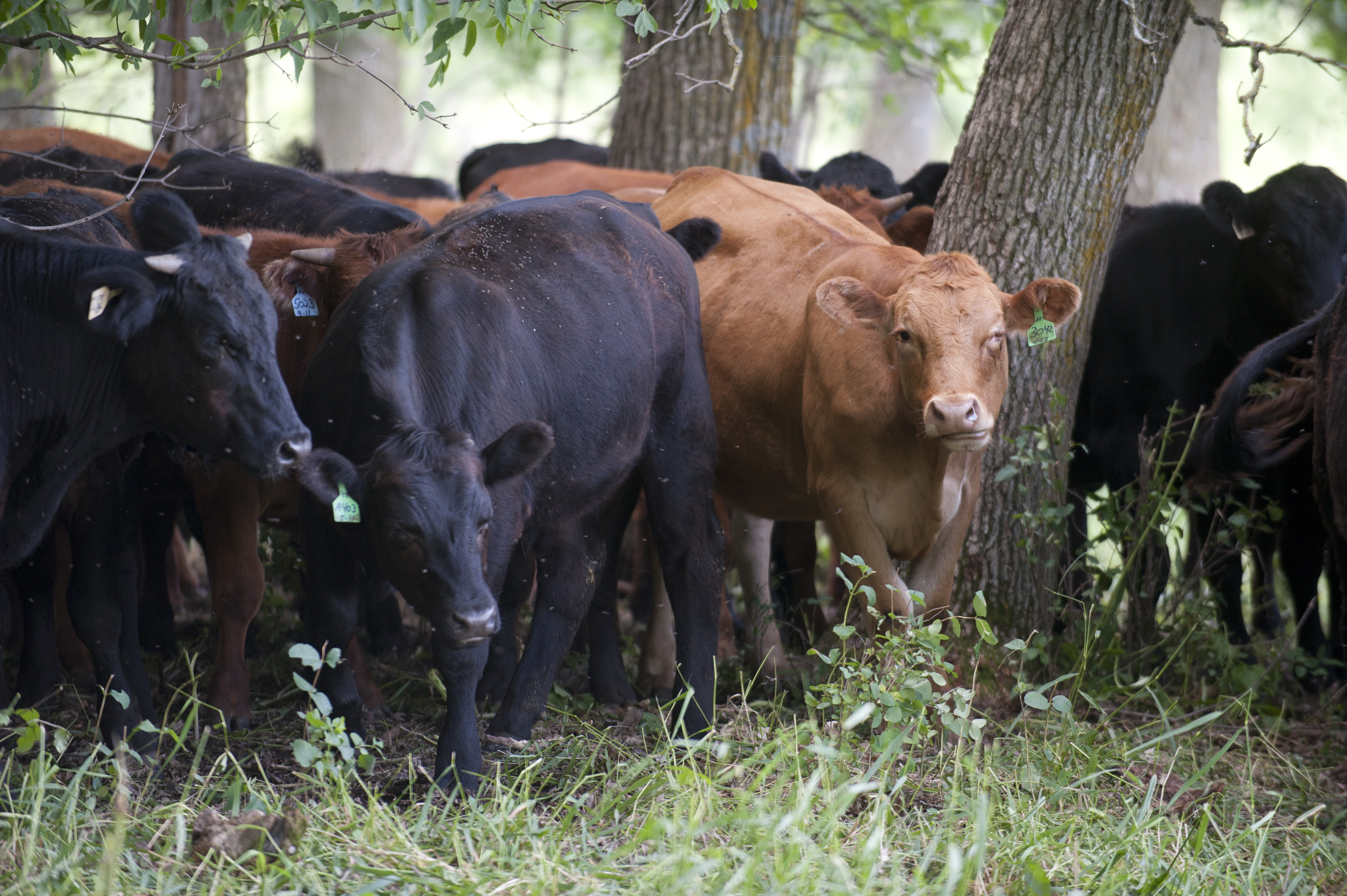
Livestock operations encompass best practices for raising livestock, farm safety, manure management, and meat processing for Minnesota farmers and ranchers to build on the profitability and success of Minnesota’s agricultural industry and help small farm owners succeed as stewards of the land.
Extension educators and researchers work to improve the health and welfare of livestock and enhance the safety and sustainability of meat production for consumers.
We work with
- Farmers and ranchers
- Meat processors and industry professionals
Livestock farm management
Farm management is a broad term that often refers to the farm's day-to-day operations and is considered the most important predictor of success.
The resources below provide best practices and sound advice based on Extension research and the lived experience of livestock experts.
|
Livestock farm management includes skills such as basic husbandry, nutrition, communication, preparation, adaptation, evaluation, attention to detail and establishing a farm culture.
- Environmentally friendly parasite control for cattle
- Managing crops and animals near shorelands
- Plants poisonous to livestock
- Raising livestock and crops under solar panels
- Standards for organic livestock and poultry production
- Water for livestock
Safety
- — UMASH. Resources to educate and prevent needlestick injuries when administering medication.
- Reducing fire risk on the farm
Weather-related safety
Creating farm emergency action plans
Livestock emergency planning documents
Carcass disposal and composting
- Composting livestock and poultry carcasses
- Constructing a horse carcass compost pile
- Horse carcass disposal
- What to do if your pork packing plant is closed
The Minnesota Board of Animal Health (MN BAH) has a that outlines approved methods and options for carcass disposal in Minnesota.
The webpage on carcass disposal includes contact information for disposal experts and rendering companies, as well as details on various disposal options.
MN Board of Animal Health carcass disposal contacts:
- Chad Carlson, 218-340-8541, [email protected]
- Don Myren, 218-343-8921, [email protected]
- Brian Ziemer, 651-769-3827, [email protected]
- Mike Fier, 651-270-7230, [email protected]
- Terry Sistad, 218-355-0015, [email protected]
Download and save the appropriate fillable PDF to outline essential livestock care if you or your managers experience illness, injury, or another emergency when you may need outside people to provide care.
These forms will automatically download to your device when you click on the link. You will need a current version of Adobe Reader DC to fill out and save the form.
If you need a file in a different format, please email .
Cattle
Horses
Poultry
Swine, honeybees, sheep and goats
Follow these guidelines for protecting air and water quality through sustainable manure management.
The meat and dairy salesroom at the Andrew Boss Meat Science Lab on the University of Minnesota, Twin Cities Campus is open to the public. for more information on public hours and research at the lab.
Buying meat
- Buying animals for meat processing — Charts of cuts of meat for beef, pork, lamb, goat and chicken.
- Handling meat safely — Learn how to safely store and prepare meat in your home kitchen.
- Beef cuts on a budget — Find out about economical cuts of meat you may not have tried.
- Understanding a meat label — Rules for labeling meat to keep consumers safe and let them know what they’re getting.
Raising animals for meat
- Beef post-harvest — Best practices, new research and trends for producers, butchers and meat wholesalers, retailers and consumers.
- Halal and kosher meat market assessment — Halal and kosher are faith practices related to foods that are permissible to eat. Both present market opportunities for Minnesota farmers and businesses.
Raising birds for meat
- Home processing poultry — Top-quality poultry carcasses come from healthy, well-finished and well-fleshed birds.
- Raising chickens for meat — You can raise chickens for meat on a small scale, even in your backyard.
- Raising game birds — You can raise game birds for show, meat production, or release.
- Standards for organic livestock and poultry — The United States Department of Agriculture published . The goal of clearer standards is to increase consistency in animal welfare practices.
Livestock grazing
- Beef grazing
- Forages
- Grazing and pasture management for cattle
- Horse pastures and facilities
- Multi-species grazing
- Pasture-based dairy
- Plants poisonous to livestock
Alternative systems
Videos

Small farms
We help small farm owners succeed as stewards of the land with best practices for business, crops, livestock, farm safety, and land management.

Agroforestry
Agroforestry combines agricultural and forestry practices to improve environmental quality, productivity and economic returns.
Commercial Animal Waste Technician (CAWT) workshops
Recertify as an MDA Commercial Animal Waste Technician (CAWT) by attending one of our workshops.
Manure composting workshops
Online manure composting workshops for crop and livestock producers, people interested in composting, technical service providers and educators.
More livestock courses
See individual livestock pages for more information
Swine
Learn more about livestock operations
Farm Information Line
| 1-800-232-9077
Contact the Farm Information Line for research-based information from local Extension educators and staff. This statewide service connects you to Extension resources and information to answer your questions about agriculture and natural resources.
Page survey