

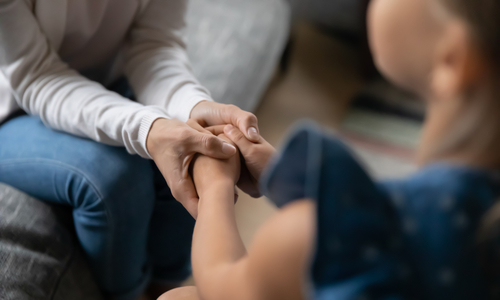
This short course offers participants an interdisciplinary exploration of children's mental health by engaging deeply with one child and family.
Mental health

Extension uses a public health approach to help improve the mental health of all Minnesotans, not just those with diagnoses.
Who we work with
Extension provides research-backed resources and education tailored for:
Children
Sudents
Mental health practitioners
Parents
Caregivers
Older adults
Farmers
Humans are complex and our mental wellbeing is influenced by many factors. Things like genetics, trauma, chronic stress, and where we live, learn, work and play all play a role in determining our overall health.
1.7 million
Minnesotans living in communities lacking adequate mental health professionals
1,263
# COMET participants May 2024 to June 2025
484
Educational events held in 2024
What exactly is mental health?
What are the differences between “mental health” and “mental illness”?
There are many ways to understand mental health based on our experiences, families and cultures. It’s not just about illness. We all have a state of mental health all of the time. A public health approach to mental health helps improve the mental health of all children and families, not just those with diagnoses.
- Watch the video Mental Health Yours, Mine and Ours to learn about a public health approach to mental health and well-being.
- Interested in leading others in conversations about mental health? Use these questions as discussion starters for the video.
|
- How have your thoughts about mental health and mental illness changed from watching the video?
- What does ‘optimal mental health’’ look like for you?
- Have you adopted practices that support your own optimal mental health? What are they?
- In your opinion, what factors influence mental health the most?
- How might we promote optimal mental health and reduce stigma across our communities?
- How do you maintain your own mental health in the midst of helping students maintain theirs?
- How does your educational setting promote mental health for students? Staff? What are the strengths? Challenges?
- What do you think is the role of your educational setting in promoting optimal mental health? How might they do this?
- In what ways can you help reduce the stigma of mental illness among students and staff in your educational setting?
- How might you personally promote the mental health of the students you work with? How might this impact their academic achievement?
- What are the challenges of promoting optimal mental health in the classroom?
- How might you overcome them?
- How do you maintain your own personal mental health in the midst of helping the people you serve maintain theirs?
- In what ways do you/can you promote optimal mental health for clients?
- What are the strengths of your workplace and profession that promote mental wellbeing? The challenges?
Resources
|
Mental health resources for professionals and students
Dive deep into mental health topics that affect children and families.
Use these tools in your classroom, organization or training events.
- Children's mental health case studies — Explore a robust story about a child experiencing mental health struggles. Learn how professionals and other adults surrounding the child and family can offer support and research-based interventions.
- — Find articles, books and other resources about mental health as it relates to stress, nutrition, poverty, sleep, and many other topics.
- The was created as a way to visually illustrate individual, family, organization, community, and societal factors that influence individual mental health and wellbeing.
Training and curriculum

A changing way of life: Ambiguous loss and farming
Helping farm families understand and name ambiguous loss with strategies for moving forward.

COMET: Changing our mental and emotional trajectory
A two-hour interactive training program designed to help people support others who may be seen sad, anxious, distracted, or depressed.

Healthy and fit on the go
Easy-to-use tips will help keep you and your family healthy and fit when you're on the go.

Community-based Opioid Prevention and Education (C.O.P.E.)
Educational resources to increase awareness and reduce stigma of opioid overdoses and substance use disorder.

Nourish and Flourish
The Nourish and Flourish conversation guides promote health through nutrition and physical activity while fostering connections to mental wellbeing.
Upcoming events
UMN Northwest Research and Outreach Center
Learn more about mental health
Contacts | | | | | LinkedIn | Newsletter
Page survey