

The Minnesota cottage food law lets Individual producers make and sell certain non-potentially hazardous food and canned goods without a license. We offer practical tips and guidance alongside stories about cottage food producers around Minnesota.

What are the rules for selling cottage foods at fall festivals?

What pumpkin and squash preservation methods are allowed for cottage food producers?

Food recalls are divided into three categories based on the level of risk to consumers.

If you plan to preserve or sell apple products under the cottage food law, it is important to understand the food-safety requirements.

A well-equipped sink area is an important part of producing safe food.

Paige Goehner won the Food Network's Kids Baking Championship. Then she opened her own business under the Minnesota Cottage Food Law.

The current outbreak is only associated with iceberg lettuce. No Minnesota-grown produce has been linked to the outbreak. Continue enjoying fresh produce while following good food safety practices and monitoring recalls.

After more than 20 years in a corporate career, Tom Nechodomu was looking for a fresh start during the COVID-19 pandemic. He turned to baking bread.
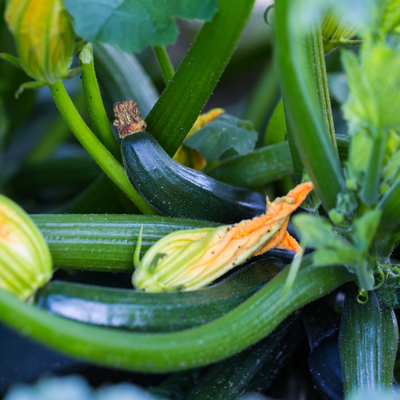
If you have a prolific zucchini plant, there are several safe ways to preserve your harvest that meet the Minnesota Cottage Food law requirements.

After the closure of a longtime local bakery in Hastings, Maureen Martin saw an opportunity to help fill a gap in the community with a cottage food business
Permission is granted to news media to republish our news articles with credit to University of Minnesota Extension. Images also may be republished. Check for specific photographer credits or limited use restrictions in the photo title.