

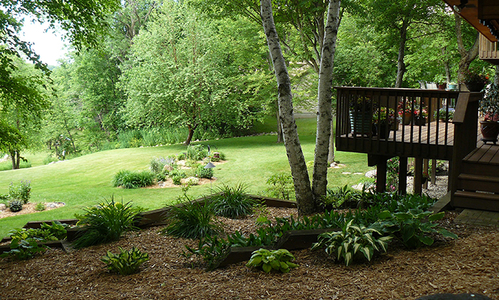
Find resources and advice on maintaining sustainable, environmentally responsible urban, suburban, and rural lawns and landscapes.
Gardening in Minnesota

Whether you’re a seasoned gardener, just starting to garden, or need help with an established plot, we have guidelines and best practices for growing healthy plants in your yard and garden.
The Upper Midwest home gardening calendar shows the recommended timing for everything you need to do to grow great flower and vegetable gardens in Minnesota.
Check the Master Gardener Seed Trial recommendations each year for newly tested varieties of flowers and vegetables that grow well in Minnesota gardens.
Starting and maintaining a home garden
Learn how to prepare the soil and garden plot, how to select seeds and plants, and how to plant, grow and water your garden. Find guidance on how to take advantage of our cooler temperatures and extend the growing season to have homegrown food throughout the year.
|
The nutrients in your soil feed your plants and can determine whether you have a healthy lawn, flourishing trees, or a bumper crop of zucchini.
Test your soil
Before starting any yard or garden project, we recommend having your soil tested by the . They will let you know if your soil needs added nutrients, depending on what you want to plant.
Videos
- Why test your soil (video, 2020; 02:37)
- (video, 2020; 05:29)
- (video, 2023; 07:02)
Archived guide
(2008, PDF)
Caring for your soil
Healthy soil is the foundation of thriving gardens, lawns, and landscapes.
- Do common soil health "home remedies" work?
- Living soil, healthy garden — Learn about what makes soil healthy.
- Reducing tillage in your garden — Foster soil environments that are more diverse and resilient.
Fertilizing
- Fertilizing and watering container plants
- Quick guide to fertilizing plants
- What is the right fertilizer for your lawn and garden?
Videos
Practices you can use to improve the health of your soil.
(2021; 06:09)
(2021; 05:38)
(2020; 03:38)
- Growing herbs in home gardens includes a list of common culinary herbs and guidance on how to grow, harvest and preserve them.
- Planting the vegetable garden
- Raised bed gardens
- Starting seeds indoors
Videos
- (2021; video: 07:29)
Watering
- Conserving water on drought-affected lawns
- Rain barrels in the home landscape
- Watering the vegetable garden
- Watering newly planted trees and shrubs
- Watering established trees and shrubs
- Water-saving strategies for home lawns
- Water Wisely: Start in your own backyard - Water-conserving strategies to keep your plants healthy efficiently.
Smart gardening
- Companion planting is a great way to use space efficiently in the garden.
- Extending the growing season — Practical methods for heating the soil in spring and protecting your garden through the first frost.
- Gardening in the shade
- Planting for fall harvest — When you plant is as important as where and how if you want vegetables well into the fall.
- Small-scale hydroponics — Hydroponics is a method of growing plants without soil. You can grow hydroponically all year long.
Caring for shoreland lawns and gardens – Always test soils near bodies of water to determine if fertilizers are necessary.
Video
- Growing edible container gardens (2021; video: 07:29)
- Harvesting and storing home garden vegetables
- Harvesting and storing melons, squash and pumpkins
- Saving vegetable seeds
Storing and preserving food
- How to preserve your own food — guides for safely preserving your own food at home.
- Store healthy foods properly
- Clean and disinfect gardening tools and containers — prevent the spread of diseases through tools.
- Controlling weeds in home gardens
- Herbicide injury on garden plants — Fruit, vegetables, and ornamental plants can be injured by drift from herbicides sprayed on nearby lawns and crop fields to kill weeds.
- How excessive heat affects the vegetable garden
- Non-pest issues in cool-season vegetables
- Preventing pests in your yard and garden has advice for maintaining healthy landscapes without pesticides.
Vegetable diseases
- Aster yellows
- Clubroot
- Disorders of tomatoes
- How to prevent seedling damping-off
- Managing plant diseases in the home garden
- Preventing plant diseases in the garden
Resources for commercial vegetable farmers
- Búsqueda de problemas en el campo (Scouting)
- Compostaje en casa (Composting)
- Cultivo de verduras, flores y hierbas en contenedores (Container gardening)
- Cultivando plantas desde semilla en el jardín (Planting seeds)
- Cultivando trasplantes saludables en el jardín (Transplanting)
- Diagnóstico de problemas de las plantas (Diagnosing plant problems)
- Recolección de plantas enteras para el diagnóstico de problemas de plantas (Submitting a sample to a disease clinic)
- Suelo saludable para plantas saludables (Soil health)
Find plants
Find trees and shrubs that flourish in Minnesota and how to care for them.
The following are guides and advice for growing specific plants in Minnesota.
|
Whether you want to attract pollinators to your yard or plant a prairie, growing in shade or sun, sand or loam, we'll help you find annuals, perennials and native flowers that thrive in northern gardens and landscapes.
Annual plants live for one growing season and then die, while perennials regrow every spring. Flowers add color, texture and interest to your lawn or garden. They also provide food and shelter for birds, animals, bees and other pollinators.
Growing flowers
Perennials
Perennial flowers survive winters in Minnesota and live more than one year.
How and when to divide perennials
- Common milkweed
- Daylilies
- Dividing peonies
- Hostas
- Tall garden phlox
- (2024, video; 7:10)
Bulbs
- Hardy bulbs
- Growing bulbs indoors
- Planting bulbs, tubers and rhizomes
- (2018, video; 08:00)
Fruit trees, berries and melons can do well in northern climates. Because fruits are perennial plants, they require a bit more commitment than vegetables. Think about why you want to grow fruit.
- Do you want to spend more time outside?
- Do you want to make jam or pies to share with friends and family?
- Do you want to learn how to prune trees?
- Do you want to make wine or cider?
- Or do you simply want a few berries to put on your morning cereal?
Your answers to questions like these will help you decide which fruits to grow and how much effort you’re willing to put into it.
Growing houseplants
- Growing bulbs indoors
- Lighting for indoor plants and starting seeds
- Managing insects on indoor plants
- Propagating Monstera deliciosa
- Spring houseplant care
- When to bring houseplants inside
Favorite houseplants in Minnesota
Plants that are native to Minnesota and the Midwest are often easier to grow than non-native varieties. They are already adapted to our soil and climate and need minimal care to grow and thrive.
Some of these resources recommend both native and non-native plants. To find natives, pay attention to the details provided in the resources.
- Benefits of Native Grasses
- Creating a butterfly garden
- Gardening in the shade
- Planting and maintaining a prairie garden
- Plants for pollinators
- Select trees and shrubs for Minnesota landscapes
- Trees and shrubs for pollinators
Archived PDF documents
From preparing the soil to harvesting a crop, you can successfully grow many varieties of vegetables in Minnesota. Selecting the right plants that will grow successfully in the north is half the battle. Expert advice from University of Minnesota horticulturists will help you grow healthy vegetables that enjoy our climate and soil conditions.
- Asparagus
- Basil
- Beans
- Broccoli
- Brussels sprouts
- Bok choy
- Cabbage
- Carrots
- Cauliflower
- Swiss chard
- Chinese cabbage
- Chives
- Collards
- Corn, sweet
- Cucumbers
- Dill
- Eggplant
- Endive
- Garlic
- Ground cherries
- Herbs
- Horseradish
- Kale
- Kohlrabi
- Leeks
- Lettuce
- Onions
- Parsley
- Peas
- Peppers
- Popcorn
- Potatoes
- Pumpkins
- Radicchio
- Radishes
- Rhubarb
- Rutabagas
- Squash, summer
- Squash, winter
- Scallions (green onions)
- Sorrel
- Spinach
- Tomatillos
- Tomatoes
- Turnips
- Zucchini
More yard and garden resources

Yard and garden problems
Identify and find solutions to the weed, insect, disease, or nonliving factors causing problems in your garden.

Yard and garden insects
Identify beneficial insects and insect pests, and how to encourage or control them in your yard and garden.

Trees and shrubs
Find advice on selecting and caring for trees and shrubs for your home landscape.

Plants and landscapes to support pollinators
Find out what plants attract and repel pollinators and plant a pollinator garden.
Ask a Master Gardener
Have a gardening question? Get research-based answers from local Master Gardener volunteers.
Plant Elements of Design plant selection tool
Good plant selection reduces plant stress. Use this tool to select plants with growing requirements that match your site conditions.
Learn more about yard and garden
Need help? Ask a Master Gardener about plant diseases, insects, and other yard and garden issues.
The University of Minnesota Extension yard and garden team educates the public on landscape design and plant selection, integrated pest management, and gardening best practices for beautiful, bountiful, environmentally sustainable gardens.
Page survey