

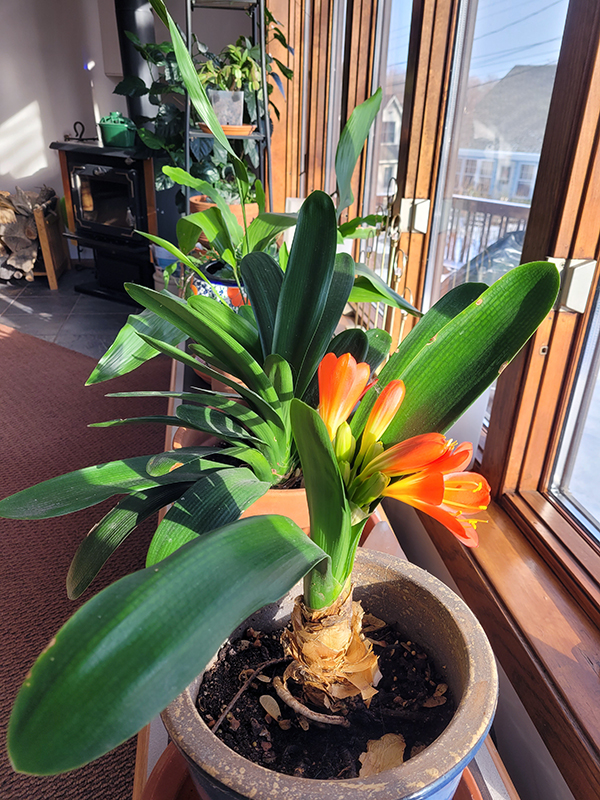
After winter months of low light, dry air, and slow growth in the Upper Midwest, spring weather brings longer days and stronger sun, signs for houseplants to wake up. This is a good time to give your houseplants a little extra attention so they’re ready to stretch, grow, and thrive through spring and summer.
Spring houseplant care requires just a little awareness and a few seasonal tweaks. Think of it as spring cleaning for your plants.
Start with a simple check-in
Before you repot or prune anything, a quick assessment will help you decide what each plant actually needs, whether that’s a trim, fresh soil, more light, or just a good cleaning. Many houseplants stretch toward limited winter light, so a slightly lanky look is common this time of year.
- Check leaves for yellowing or browning.
- Look for leggy stems reaching toward the light.
- Peek underneath pots for roots poking out of drainage holes.
Not every plant will need every task.
Gradually turn up the light
Spring sunlight is stronger than winter light, even on cloudy days. As the sun’s angle changes, windows that barely provided light in January may suddenly become bright.
- Move plants closer to windows gradually over one to two weeks, especially if they’re headed toward south- or west-facing light.
- Jumping too quickly into bright sun can scorch leaves, particularly on shade-loving plants like pothos, philodendrons, peace lilies, and ferns.
- If you see pale patches or crispy edges, that’s a sign the transition is happening too fast. A small adjustment back can prevent lasting damage.
Clean leaves for better growth
Dust builds up on leaves over winter and can block light when plants need it most. Clean leaves not only look better, but they also photosynthesize more efficiently and help the plant use spring light to fuel new growth.
- A gentle wipe with a damp cloth works well for large-leaved plants like rubber trees and monstera.
- Smaller or sturdier plants can be rinsed in the sink or shower with lukewarm, unsoftened water.
- Leaf shine products are not necessary and can clog leaf pores.
Time for a gentle trim
Early spring is ideal for light pruning. Many plants respond quickly, sending out new leaves within a few weeks.
- Remove leaves that are yellow, damaged, or clearly past their prime.
- Trim leggy stems just above a leaf node to encourage fuller growth.
- You don’t need to do a major cut. A few thoughtful cuts redirect the plant’s energy from tired growth into fresh shoots.
Repot only if needed
Spring is the best time to repot, but only when a plant truly needs it. Signs include:
- Roots circling tightly inside the pot.
- Roots growing through drainage holes.
- Soil that dries out unusually fast.
Choose a pot just one size larger. Too much extra soil can hold too much water, which can cause root problems.
Fresh potting mix provides better drainage, oxygen, and nutrients, giving plants a strong start for the growing season.
If a plant is happy in its current pot, you can still refresh the top inch or two of soil for a nutrient boost.
Fertilize for new growth
As daylight increases, houseplants shift into active growth. New growth benefits from fertilizing.
- Start gently with a balanced houseplant fertilizer used at half strength every two to four weeks.
- Too much fertilizer too soon can lead to weak, stretchy growth or salt buildup in the soil.
- Plants growing under bright light may need more frequent feeding by late spring, while low-light plants will need less.
Water with intention

As growth picks up, so does water use, but spring watering still takes attention.
- Check the soil regularly and water when the top inch feels dry to the touch.
- Most houseplants prefer steady moisture, not soaking wet conditions.
- Empty saucers so roots aren’t sitting in water.
- Bigger plants and those in sunnier locations usually need more frequent watering.
Let the plant, and the soil, be your guide, not the calendar.
When is it safe to move plants outdoors?
As tempting as early warmth can be, most houseplants should stay indoors until nighttime temperatures are consistently above 50°F. Cold nights can shock tropical plants, even if daytime temperatures feel comfortable.
- Once it’s warm enough, introduce plants to the outdoors gradually, starting with a shady, sheltered spot for a few hours a day.
- Sudden exposure to full sun or wind can damage leaves just as quickly as cold.
- Slow transitions lead to stronger, healthier plants all summer.
Reviewed in 2026