

Want to be alerted when new articles are published? .

Taking action on food security, Master Gardener volunteers like Brenda Langerud donated 63,372 pounds of produce to food shelves in 2025 — and 2026 numbers are coming in strong.
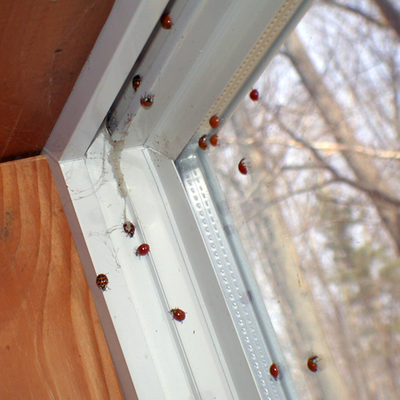
A warm, sunny afternoon after a cool stretch triggers Asian lady beetles to find winter shelter. Suddenly, they’re everywhere, gathering on warm walls, clustering on light colored siding, and crawling along window frames.

If you’ve noticed fresh mounds, wilting plants, or collapsing turf, you may be dealing with one of Minnesota’s most persistent underground pests, pocket gophers.

It's a great time to control perennial weeds, repair lawns, and divide plants. And don't forget to water trees and shrubs to give roots a good soak while the ground is still warm.

In fall, the goal is to help roses harden off, stay healthy, and head into winter strong enough to bloom again in spring.

Yellow prairie grass is drought-tolerant and adaptable to a wide variety of soils. The leaves of yellow prairie grass usually stay green until the first frost, when they turn yellow-orange.

Perennial chrysanthemums add color to your garden through the fall until the snow flies.

Discover the blooms that keep pollinators thriving right up to frost.

Late summer always brings a bit of a balancing act, enjoying peak color while keeping pests from gaining ground.

Time to harvest fruit and nuts, check lilacs for fungal diseases, plant perennials, and start prepping houseplants to return indoors.
Permission is granted to news media to republish our news articles with credit to University of Minnesota Extension. Images also may be republished. Check for specific photographer credits or limited use restrictions in the photo title.
Learn more about yard and garden
Need help? Ask a Master Gardener about plant diseases, insects, and other yard and garden issues.
The University of Minnesota Extension yard and garden team educates the public on landscape design and plant selection, integrated pest management, and gardening best practices for beautiful, bountiful, environmentally sustainable gardens.