
What are these tiny, biting bugs? Why are there so many this year? And what can be done about them?


What are these tiny, biting bugs? Why are there so many this year? And what can be done about them?

Do you raise livestock on your Minnesota farm and grow vegetables in a high tunnel? Do you ever use the high tunnel structure to house the livestock? If so, we invite you to help us research this practice.

Remove plant debris from the lawn and garden. Prune some trees and mark others for later. It's too late for fall seeding, but you can dormant-seed when it gets colder. And consider donating your excess produce to a local food shelf.

Taking action on food security, Master Gardener volunteers like Brenda Langerud donated 63,372 pounds of produce to food shelves in 2025, and 2026 numbers are coming in strong.
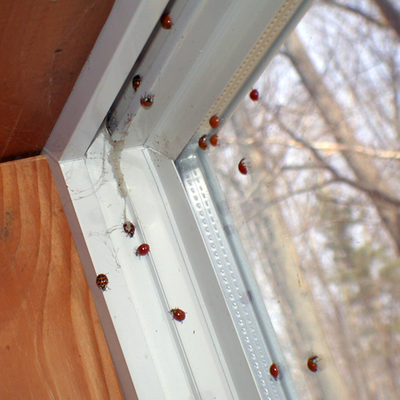
A warm, sunny afternoon after a cool stretch triggers Asian lady beetles to find winter shelter. Suddenly, they’re everywhere, gathering on warm walls, clustering on light colored siding, and crawling along window frames.

If you’ve noticed fresh mounds, wilting plants, or collapsing turf, you may be dealing with one of Minnesota’s most persistent underground pests, pocket gophers.

It's a great time to control perennial weeds, repair lawns, and divide plants. And don't forget to water trees and shrubs to give roots a good soak while the ground is still warm.

In fall, the goal is to help roses harden off, stay healthy, and head into winter strong enough to bloom again in spring.

Yellow prairie grass is drought-tolerant and adaptable to a wide variety of soils. The leaves of yellow prairie grass usually stay green until the first frost, when they turn yellow-orange.

Perennial chrysanthemums add color to your garden through the fall until the snow flies.
© 2026 Regents of the University of Minnesota. All rights reserved. The University of Minnesota is an equal opportunity educator and employer. This work is supported by the U.S. Department of Agriculture’s National Institute of Food and Agriculture.