


Whether you’re a seasoned landscaper, just starting to garden, or need help with an established plot, we have guidelines and best practices for growing healthy plants in your yard and garden.
Yard and garden insects
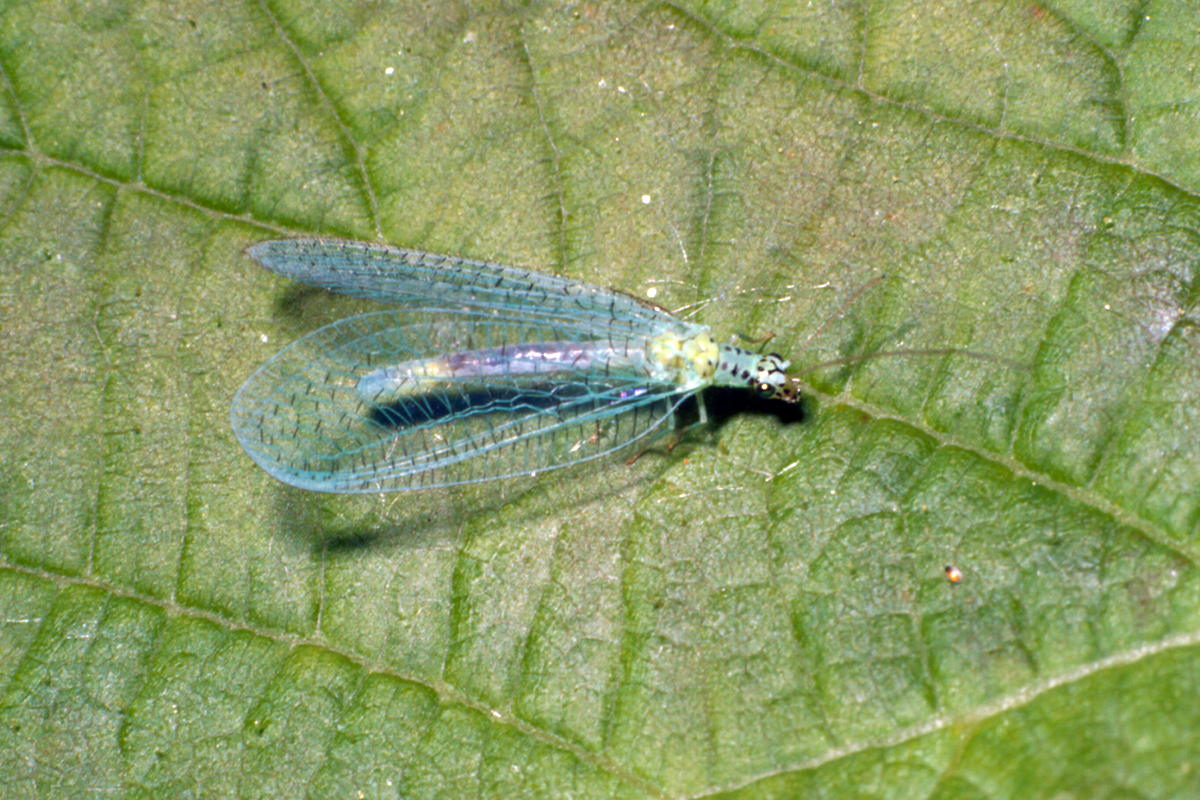
Identify beneficial insects and insect pests, and how to encourage or control them in your yard and garden, in your orchard, or on your vegetable farm.
Learn about the life cycles of specific insects that thrive outdoors, in and around gardens and landscapes, as well as on fruit and vegetable farms.
We provide guidance on control methods and integrated pest management.
Yard and garden insects and insect pests
|
Beneficial insects help keep other insect populations down. Many thrive under the same habitat conditions as pollinators.
Some can become pests at certain times of the year. But providing food and shelter for these helpers can keep your garden and farm relatively free from aphids and other pests that cause damage or carry disease.
Pollinators
Many flowers and other plants rely on pollinators to reproduce, and pollinators rely on flowers for food.
Visit Plants and landscapes to support pollinators for information on creating habitat for bees, butterflies and other beneficial insects.
— Learn about honey bee and native bee research from the U of M Bee Lab and Extension Bee Squad.
Some insects eat and damage flowering plants. Find out about the insect pests of blooming plants.
Insects and other bugs that particularly help, harm or feed on fruits and vegetables.
- Aphids
- Apple maggots
- Asparagus beetles
- Bean leaf beetles
- Brown marmorated stink bugs
- Cabbage loopers
- Cabbage maggots
- Codling moths
- Colorado potato beetles
- Cucumber beetles (spotted and striped)
- Cutworms
- Diamondback moths
- Flea beetles
- Imported cabbage worms
- Japanese beetles
- Leafminers (spinach and vegetables)
- Onion maggots
- Sap beetles
- Slugs
- Spider mites
- Spittlebugs
- Spotted wing drosophila (SWD)
- Squash bugs
- Squash vine borers
- Swede midge
- Threelined potato beetles
- Tomato hornworms
Learn about the beneficial and harmful insects and other creatures that affect the health of lawns and landscapes.
Insects and other bugs that live on, feed on, harm or help trees and shrubs.
- Aphids
- Ash plant bugs
- Asian longhorned beetle
- Birch leafminer
- Bronze birch borers
- Caterpillars
- Cicadas
- Emerald ash borer (EAB)
- Galls
- Honeylocust plant bugs
- Japanese beetles
- Lace bugs
- Pine bark beetle (Forest pest; includes advice for homeowners)
- Sawflies
- Scale insects
- Spider mites
- Spongy moth
- Twolined chestnut borer
Mosquitoes
- — Prevent and treat diseases carried by mosquitoes.
- — Guide for homeowners on controlling mosquitoes in your yard and garden.
Annelids: worms
Earthworms, including nightcrawlers, are an invasive species but are not regulated in Minnesota.
Nightcrawlers are beneficial earthworms that provide natural aeration to the lawn, but leave mounds at the soil surface.
Arachnids: spiders
- Mites: Each mite species has a different feeding pattern. Contact a professional pest control service or specialist for the best advice on controlling mites in your home.
- Pseudoscorpions: Also known as false scorpions, there are over 3,300 known species in the world and about 200 in North America.
- Spiders are closely related to mites, ticks and scorpions and are collectively known as arachnids
Arthropods
Sowbugs, millipedes and centipedes are found in moist, decaying leaf litter or other organic material found around building foundations.
More yard and garden resources
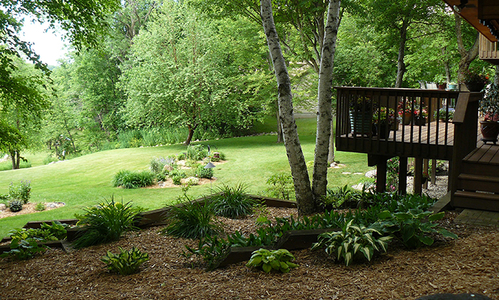
Lawns and landscapes in Minnesota
Find resources and advice on maintaining sustainable, environmentally responsible urban, suburban, and rural lawns and landscapes.

Plants and landscapes to support pollinators
Find out what plants attract and repel pollinators and plant a pollinator garden.
More Extension resources
Household insects
Learn how to identify, prevent and control common household insect infestations, and tolerate beneficial insects.
Learn more about yard and garden
Need help? Ask a Master Gardener about plant diseases, insects, and other yard and garden issues.
The University of Minnesota Extension yard and garden team educates the public on landscape design and plant selection, integrated pest management, and gardening best practices for beautiful, bountiful, environmentally sustainable gardens.
Page survey