


Cooking Matters offers practical nutrition information, hands-on food preparation, and food budgeting and shopping.
All participants receive recipes and other educational materials from the lessons, and adult and teen participants take home a bag of groceries each week to practice what they've learned in class at home.
What is Cooking Matters?
Cooking Matters is a cooking-based, nutrition education program that encourages people to eat healthier and make the best use of their food resources.
How it works
While Extension no longer delivers these classes directly, we are currently working with several partners to help bring this 6-week curriculum to local agencies through alternative setups. Here is how we can still collaborate with your organization:
- Technical Assistance: Guidance on curriculum adaptation, delivery, and structure.
- Strategic Brainstorming: Partnering with you to identify local co-sponsors, community organizations, or funding streams to help bring the course to life in your area.
If you are interested in exploring creative ways to bring this curriculum to your community, let us know by emailing [email protected].
What it offers
Participants will learn how to
- Read food labels
- Plan menus
- Understand the importance of vegetables or whole grains
Cooking demonstrations include
- Knife safety
- Sautéing
- Using herbs and spices
- Preparing a healthy recipe
- The group eats the meal they just created together
- Before leaving, participants receive the recipe and ingredients needed to prepare that same recipe at home, to practice their new skills
Courses for adults
Cooking Matters for Adults, teaches low-income adults about healthy meal preparation and sensible shopping on a limited budget. This curriculum is also available in Spanish.
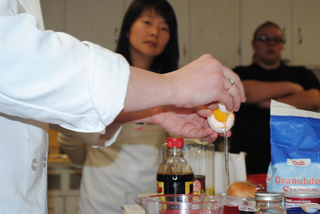
Each week participants observe a Chef-led cooking demonstration, after which the group breaks into teams who then prepare that same recipe. Once the food is baking or simmering, the entire group sits down for a nutritional overview of the recipes/foods just prepared. The group shares a meal and then takes home a bag of groceries and the recipe in order to practice at home, as well as serve a homemade meal.
Course overview
Week 1: Overview of MyPlate
- Demonstrate proper hand washing and basic knife skills while preparing recipes in class.
- Practice making appealing recipes that feature foods from multiple food groups.
- Explain why it is important to eat foods from all MyPlate food groups.
- Interpret the information available on food labels.
- Identify the benefits of cooking at home.
Week 2: Choosing fruits, vegetables and whole grains
- Interpret product ingredient lists to identify foods that contain whole grains.
- Identify what counts as a cup of fruits and vegetables.
- Identify what counts as an ounce of grains.
- Identify nutritious and convenient forms of fruits and vegetables.
- Practice food safety when preparing fruits and vegetables in today’s recipes.
- Discuss strategies to use foods and ingredients in several meals.
Week 3: Cooking lean and low-fat (meat/bean and dairy)
- Practice safe food handling and preparation to avoid foodborne illness.
- Recall three safe ways to defrost foods.
- Identify the health benefits of choosing low-fat, fat-free, and lean foods.
- Identify what counts as an ounce from the meat and bean group.
- Identify what counts as a cup from the milk group.
Week 4: Plan to make the most of your meals
- Identify strategies for eating a balanced breakfast every day.
- Practice flavoring foods with herbs and spices instead of salt.
- Compare unit prices to identify which product is a better buy.
- Practice planning meals.
- Identify the benefits of shopping with a list.
Week 5: Shopping smart
- Demonstrate skill in reading and comparing food labels to make healthy food choices.
- Practice comparing unit prices to identify the most economical choice.
- Select a basket of healthy foods for under $10 (grocery store challenge activity).
- Review the importance of safe handling and storage of perishable foods.
Week 6: Recipe for success
- Describe why water is a healthier choice than soda or sugary beverages.
- Identify two benefits of physical activity.
- Review nutrition, cooking, food budgeting, and food safety as covered in previous lessons.
- Celebrate progress in selecting and preparing healthy meals.
Cooking Matters for Parents is an educational program that teaches parents and other caregivers of young children how to shop for nutritious foods and prepare healthy, delicious meals that pre-K and K-2 kids will enjoy.
Objectives
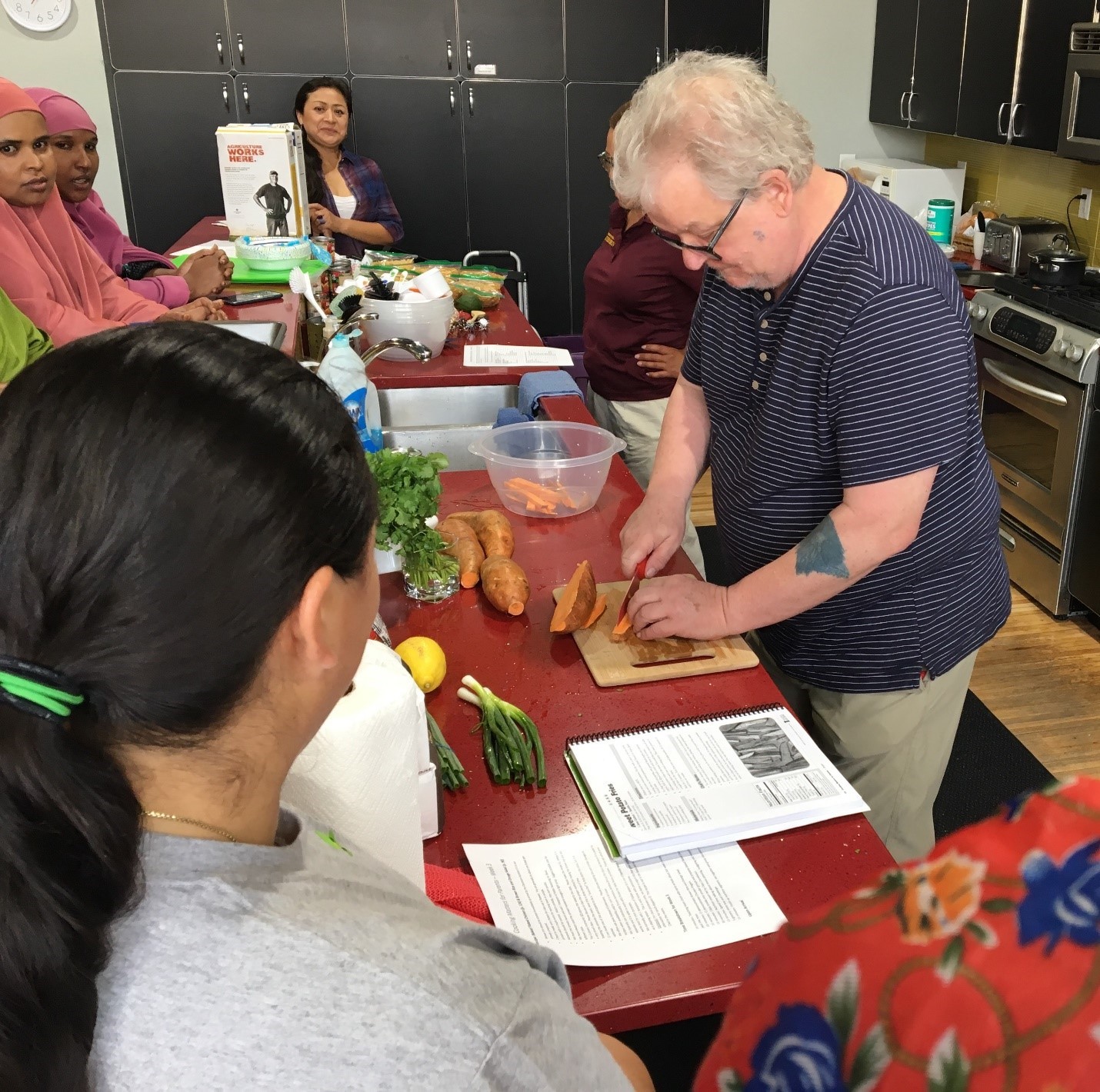
This program provides tips for parents to model healthy eating for their young children. Participants also will learn how to:
- Plan meals and shop for healthy foods on a limited budget.
- Prepare healthy, delicious meals and snacks their children will like.
- Read food labels.
- Add more fruits, vegetables, and whole grains to family meals.
- Cook lean and low-fat foods, including meats, beans, and dairy foods.
Space and time requirements
Each week Cooking Matters for Parents participants observe a cooking demonstration, and then break into small groups to prepare the same recipe. Sessions also include a nutritional overview of the foods just prepared, and each participant takes home the recipe and a bag of groceries in order to practice at home.
More information
Cooking Matters for Parents workshops feature hands-on learning and include activities to practice cooking and kitchen skills. In the last session, participants will set goals as a family to continue using what they learned in class at home.
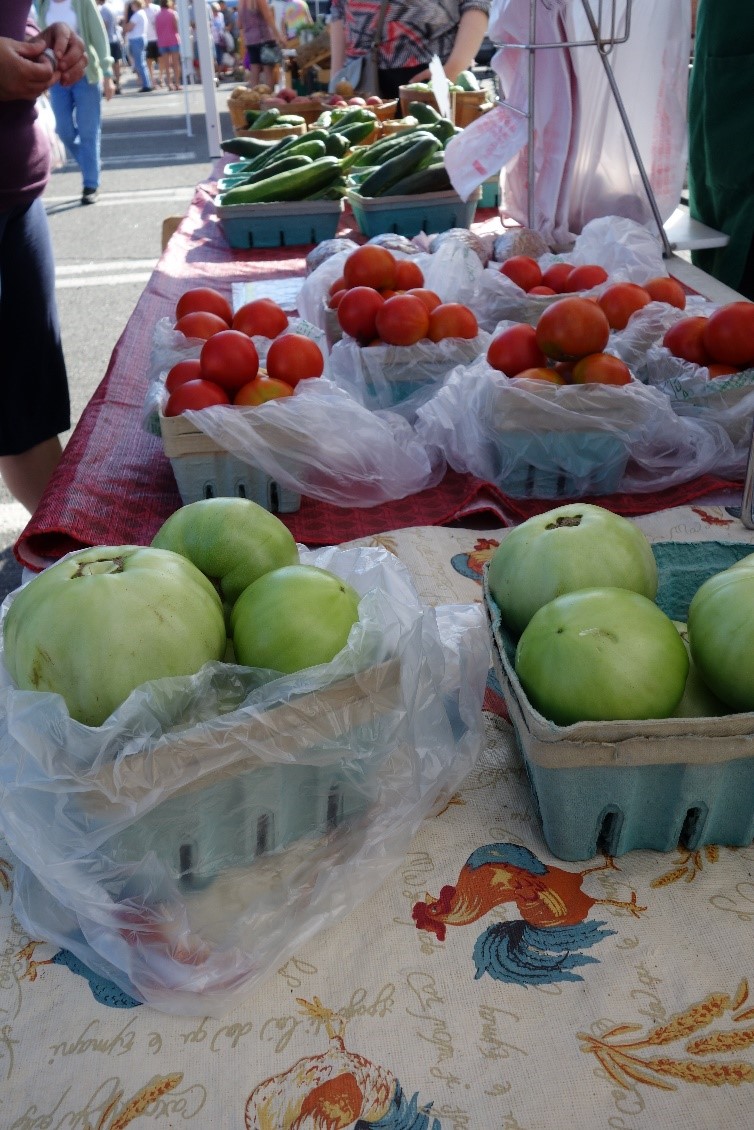
Cooking Matters at the Farmers Market is a one-time class designed to help adults living in Minnesota make healthy food choices on a limited budget. The class is conducted during a guided tour of a local farmers market.
Objectives
This class seeks to help low-income adults shop for reasonably priced, healthy local foods. While taking a guided tour of a farmers’ market, participants will learn how to:
- Identify at least three economical ways of purchasing fruits and vegetables, with an emphasis on fresh produce.
- Compare unit prices.
- Read food labels.
- Identify whole grain foods.
Space and time requirements
This class lasts about 2 hours, including a tour and closing discussion led by a tour leader. Sessions can be adapted to meet the learning needs of participants, and within reason fit the space and time needs of the partnering agency.
More information
Cooking Matters at the Farmers Market is based on research showing that careful food shopping practices, such as price comparison and nutrition label use, are associated with measures of better dietary quality. This hands-on class aims to promote real changes in food shopping habits.
Those who complete the tour and short survey receive a reusable cloth shopping bag and a booklet with the information presented in the tour, and 15 healthy recipes to try at home. Materials are available in both English and Spanish, and classes are offered throughout Minnesota.
Cooking Matters at the Store is a one-time class designed to help adults living in Minnesota make healthy food choices on a limited budget. The class is conducted during a guided tour of a grocery store.

Objectives
This class seeks to help low-income adults shop for reasonably priced, healthy foods. While taking a guided tour of a grocery store, participants will learn how to:
- Identify at least three economical ways of purchasing fruits and vegetables.
- Compare unit prices.
- Read food labels.
- Identify and find whole-grain foods in the store.
Space and time requirements
This class lasts about 2 hours, including a tour and closing discussion led by a SNAP-Ed educator. Like all Cooking Matters programming, sessions are adapted to meet the learning needs of participants.
More information
Cooking Matters at the Store is based on research showing that careful food shopping practices, such as price comparison and nutrition label use, are associated with measures of better dietary quality. This hands-on class aims to promote real changes in food shopping habits.
Those who complete the tour and short survey receive a reusable cloth shopping bag, and a booklet with the information presented in the tour, and 15 healthy recipes to try at home. Materials are available in both English and Spanish, and classes are offered throughout Minnesota.
Courses for families
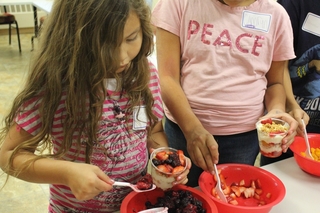
Cooking Matters for Families brings school-aged children and their families together to learn about healthy eating, planning meals as a family, and working together in the kitchen. This curriculum is also available in Spanish.
Course overview
Week 1: Cooking side by side
- Classify foods into MyPlate food groups.
- Identify safe, age-appropriate tasks in the kitchen.
- Demonstrate proper hand washing and basic knife skills.
- Identify strategies to share more meals together.
Week 2: Try it, you'll like it!
- Discuss ways to help kids develop good eating habits.
- Identify the pros and cons of various forms of fruits and vegetables.
- Identify whole grain products by reading label ingredient lists.
- Discuss ways to include more fruits, vegetables, and whole grains in family meals.
Week 3: Healthy starts at home
- Practice interpreting food labels.
- Identify healthy snacks that include at least two food groups.
- Identify strategies for making healthy choices when ordering foods away from home.
- Practice making healthier versions of popular convenience foods.
Week 4: The power of planning
- Plan a family meal using strategies learned in class.
- Discuss strategies to eat breakfast every day.
- Identify ways to save time when making meals at home.
- Practice making simple recipe changes.
Week 5: Active families
- Discuss physical activities that can be done as a family.
- Increase taste preferences toward healthy beverages.
- Discuss the benefits of choosing low-fat milk products.
Week 6: Celebrating our success
- Review principles of making smart food choices, planning and preparing meals together, and maximizing food resources.
- Celebrate success in planning and preparing healthy meals as a family.
- Set goals as a family to continue using these lessons after class.
Courses for kids
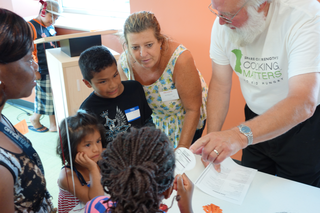
Cooking Matters for Kids teaches children in 3rd through 5th grade how to prepare healthy meals and snacks and to make smart choices wherever they go — at school, at home, at the store, or out to eat.
Course overview
Week 1: Healthy eating and safe cooking
- Discuss the principle of eating from “every food group, every day”.
- Practice sharing with their families what was learned in class.
- Practice using knives safely.
- Practice reading recipes and assembling mise en place in preparation for cooking.
- Prepare a recipe with foods from at least three food groups.
Week 2: Colorful fruits and vegetables
- Taste and describe unfamiliar fruits and veggies.
- Discuss the benefits of eating fruits and veggies of many colors.
- Practice sharing with their families what was learned in class.
- Prepare a meal using colorful fruits and veggies.
Week 3: Whole grain goodness and eating breakfast every day
- Taste and describe whole grain foods.
- Practice identifying whole grain foods by reading label ingredient lists.
- Practice sharing with their families what was learned in class.
- Discuss the benefits of eating breakfast every day.
- Prepare a breakfast recipe that include whole grains.
Week 4: Healthy snack and beverage choices
- Practice reading food labels.
- Taste and describe a variety of healthy beverages.
- Practice sharing with their families what was learned in class.
- Prepare simple snacks they can make at home on their own.
Week 5: Making healthy choices away from home
- Practice making smart choices at the grocery store.
- Practice identifying fruits, vegetables, and whole grains when they are out to eat.
- Practice sharing with their families what was learned in class.
- Prepare healthier versions of popular fast foods.
Week 6: Celebrate preparing meals and snacks with fruits, vegetables and whole grains
- Set goals to continue making healthy choices after the course is over.
- Prepare healthy versions of celebration foods.
- Celebrate their success in preparing healthy meals and snacks throughout the course.
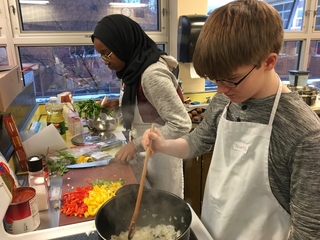
Cooking Matters for Teens teaches adolescents in 6th grade and up how to make healthy food choices and prepare healthy meals and snacks.
Course overview
Week 1: Basic principles of safe cooking and healthy eating
- Practice using knives safely.
- Practice reading recipes and mise-en-place in preparation for cooking.
- Prepare recipe with foods from at least three food groups.
- Discuss the benefits of making healthy choices.
Week 2: Encouraging teens to eat more fruits and veggies and choose healthy beverages
- Taste and describe a variety of fruits and veggies.
- Prepare a meal using colorful fruits and veggies.
- Practice reading food labels.
- Taste and describe a variety of healthy beverages.
Week 3: Encouraging teens to choose whole grains and eat breakfast more often
- Taste and describe a variety of whole grain foods.
- Prepare a variety of breakfast foods.
- Practice identifying whole grain foods by reading label ingredients lists.
Week 4: Encouraging teens to prepare more meals and snacks at home
- Prepare a meal using lean cooking techniques.
- Practice identifying healthier choices when out to eat.
- Practice identifying healthier snack choices.
Week 5: Encouraging teens to make smart choices when food shopping
- Practice comparing unit price.
- Practice identifying healthier choices when food shopping.
Week 6: Encouraging teens to use what they’ve learned to prepare healthier homemade meals, drinks, and snacks
- Prepare a healthier version of a favorite meal.
- Set goals to continue using what they’ve learned after the course ends.
Partner with Extension to host a course
Cooking Matters Minnesota partners with local agencies around the metro and around the state to provide hands-on, cooking-based nutrition education classes to Minnesota families living on a budget. How it works.
Our typical host agencies meet the following criteria:
- Serves families within 185% of the poverty level who can cook at home or are working towards self-sufficiency.
- Has space and facilities to accommodate 12-15 participants.
- Has a staff person to recruit participants and make weekly reminder phone calls.
To learn more about becoming a Cooking Matters host site,
Volunteer opportunities
Cooking Matters Minnesota combines Extension’s expertise in nutrition with local chefs and other volunteers. Volunteers are a key part of a successful program. They teach Minnesota families how to create healthy, delicious meals on a limited budget. Participants learn how to grocery shop, make healthy choices and cook food their family will want to eat.
Program history and partnerships
Background
In 2009, University of Minnesota Extension partnered with Share Our Strength, a non-profit working to end hunger and poverty, to bring Cooking Matters to the state of Minnesota. Cooking Matters plays a critical role in Share Our Strength's No Kid Hungry campaign. The campaign works to end childhood hunger in America by:
- Connecting kids in need with nutritious food
- Teaching how to cook healthy, affordable meals.
Today, Cooking Matters is delivered throughout Minnesota and helps families struggling with a limited food budget learn how to shop for and prepare healthy, affordable, and delicious meals. As part of Extension’s Department of Family, Health and Wellbeing, Cooking Matters MN partners with organizations and communities to deliver Cooking Matters programming to families and individuals living on a limited income. Through an evidence-based, six-week course, participants cover all aspects of preparing healthy meals from planning and budgeting to shopping and preparing meals.
Our collaborative model
Cooking Matters Minnesota's collaborative model combines the resources of the national organization with University of Minnesota Extension’s health and nutrition program to deliver exceptional nutrition education at local sites with the help of volunteers.