
Youth voice isn’t just for teens; even young children can speak from experience and strengthen community understanding. When adults make space for children's insight, early youth leadership grows.


Youth voice isn’t just for teens; even young children can speak from experience and strengthen community understanding. When adults make space for children's insight, early youth leadership grows.

Youth programs can provide teens with the rich experiences they need for healthy brain development.
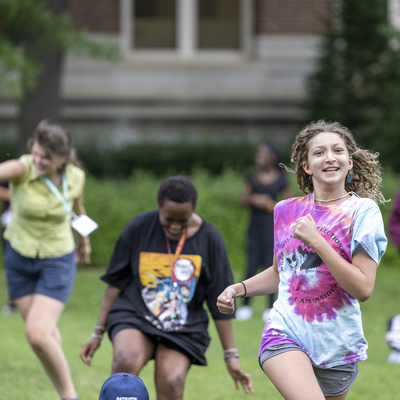
August is a critical time for young people to turn summer experiences into aspirations. Jennifer Skuza, youth development department head and associate dean, shares insights on guiding this process.

New research from the Afterschool Alliance shows that while many families want outdoor, screen-free enrichment activities, cost continues to be the biggest barrier to access.

Extension Educator Savannah Scott outlines strategies for engaging homeschool co-ops to expand youth program reach and increase collaborative learning opportunities.

Belonging grows through small, consistent actions — greetings, check‑ins and strengths‑based feedback — that research shows help young people feel seen, valued and connected.

Jennifer Skuza, youth development department head and associate dean, reflects on the collaborative partnership work in Kenya that reshaped her team's understanding of youth development across contexts.

Volunteer managers need to look beyond their fixed menu of programming to serve up volunteer opportunities that accommodate different levels of commitment and interest, satisfying appetites of all sizes.

Wellbeing empowers youth development professionals to sustain their energy, prevent burnout and deliver high‑quality programs that prepare youth for work and life.

Extension Educator Karyn Santl offers reflection questions to help youth development staff evaluate and strengthen the quality of their programs.
© 2026 Regents of the University of Minnesota. All rights reserved. The University of Minnesota is an equal opportunity educator and employer. This work is supported by the U.S. Department of Agriculture’s National Institute of Food and Agriculture.