Extension Logo
Extension Logo
University of Minnesota Extension
extension.umn.edu

Working with youth

Youth development curriculum library

Youth development curriculum library

Individual lessons and curricula on a variety of topics, such as gardening and agriculture, social and emotional skills, healthy living, college readiness, and STEM.

Exploring Your Future

Youth explore and identify their aspirations for the future through interactive activities that encourage creativity, self-awareness, critical thinking, goal setting and self-discovery.

Microgreens Growing Guide

Youth learn to grow microgreens for a fun, tasty, healthful treat!

Icebreakers, Team Challenges and Other Group Games

This guide provides ideas for icebreakers, team-building challenges and games you can incorporate into your youth programming.

Program design and evaluation

Program design and evaluation resources

Practical guides and training opportunities to design strong programs, including needs assessments, program planning, appropriate structure, continuous quality improvement and evaluation.

Evaluating youth and education programs

Learn more about evaluation planning and strategies for youth programs.

Developing high-quality learning environments for youth

A practical guide to help youth development professionals engage young people in high-quality positive youth development experiences regardless of the learning environment.

Supportive relationships and environment

Supportive relationships and environment resources

Resources and training for professionals to cultivate a welcoming, emotionally safe environment where young people feel a sense of security, belonging and ownership.

Positive youth development

A youth work research brief focusing on positive youth development as a holistic process of growth.

Safe space for challenging conversations

Information on developing safe and caring places for youth to have dialogue with others in a positive civil manner about important topics.
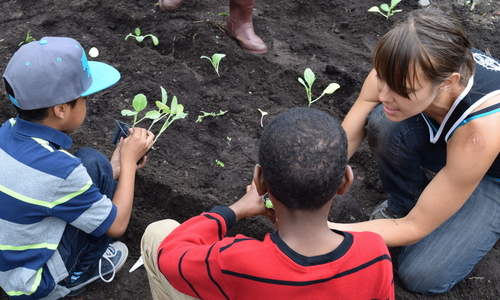
Social connectedness in youth

Learn why social connectedness matters, as well as practical tips for youth development staff to promote it in their programs.

Inclusive programs for youth with disabilities

Develop inclusive programs for all young people– regardless of their backgrounds and abilities– giving them opportunities to learn together.

Disability etiquette basics

Understanding disability etiquette can help everyone avoid some common mistakes and feel more comfortable.

Youth leadership and voice

Youth leadership and voice resources

Resources and training on how to provide young people with opportunities to build leadership skills and help them become change agents.

Cross-age teaching

Learn about cross-age teaching – teens teaching younger peers – as a delivery method, why it matters and how to implement it.

Youth voice

Information on how to provide program opportunities for youth to practice making decisions that affect their lives and that matter to them.

Youth engagement through an equity lens

Information on how to have meaningful program engagement with youth through an equity lens.

Youth learning and skills

Youth learning and skills resources

Resources and information on creating spaces where young people grow and develop skills by exploring their sparks, engaging in real-world activities and projects, working in teams and taking on meaningful roles.

Creating inclusive and impactful outdoor learning experiences

Learn how to identify and address access and equity barriers to ensure that all young people can experience the outdoors and grow in their connection to the natural world.

Social and emotional learning (SEL)

Raise the possibility that youth develop social and emotional skills by using these resources.

Youth aspirations for higher education

Unlock the abilities of young people by encouraging them to take steps to improve their lives and make a difference in their communities through pursuing higher education.

Building youth resilience

Building youth resilience resources

Research and training materials to help youth cope with school violence, farm stress and mental health challenges.

Adverse childhood experiences (ACEs)

Learn how to provide support for a young person with childhood trauma to give hope through supportive relationships and developing resilience.

Rural youth stress

Provide tools to meet the needs of young people in rural communities by recognizing the signs of stress and having the knowledge and skills to support them.

Creating space for dialogue on difficult and important topics with youth

Resources designed to help families, clubs or groups of friends to have open conversations about difficult but important topics.

Talking to youth about violence

Caring adults can help young people process and feel safe concerning acts of violence by establishing normalcy and security and talking with them about their fears.

Talking to young people about suicide

Practical tips and conversation starters for parents, educators and other caring adults when talking with youth about suicide.

Youth program management

Youth program management resources

Research and training materials on how well-run youth organizations value their staff and volunteers and support them with professional development and policies.

Dilemmas in Youth Work

Learn about responding to dilemmas in youth work programs and examine various ways to respond to real-life problems.

Managing risk in youth programs

Understand risk management practices needed to create a safe environment where youth do not fear physical or emotional harm allows youth to grow and learn.

Youth Development Insight

A close up on two sets of hands exchanging items while a group of people stand around.

Minnesota 4-H Volunteer Systems Director Jeremy Freeman explains how effective volunteer recruitment requires a personal, value-added approach.

Two people with backpacks stand on a hill, overlooking a mountainous landscape with raised arms.

Discover how the Eightfold Path, a public policy framework, can help youth design meaningful, community-driven service projects from the ground up.

A boy smiling at the camera while holding a geocaching tool in a wooded area.

Geocaching is more than treasure hunting: It encourages youth to explore the outdoors, build skills and practice stewardship.

Page survey

© 2025 Regents of the University of Minnesota. All rights reserved. The University of Minnesota is an equal opportunity educator and employer. This work is supported by the U.S. Department of Agriculture’s National Institute of Food and Agriculture.