


For a disease to show up in yard and garden plants, three things need to be present. Plant pathologists refer to this as the disease triangle.
- The host plant.
- The pathogen itself.
- Certain environmental conditions.
Only when these three things are present can plant diseases develop.
We will examine each of these factors and explore ways to help the garden survive disease infections during periods of high heat.
The host plant
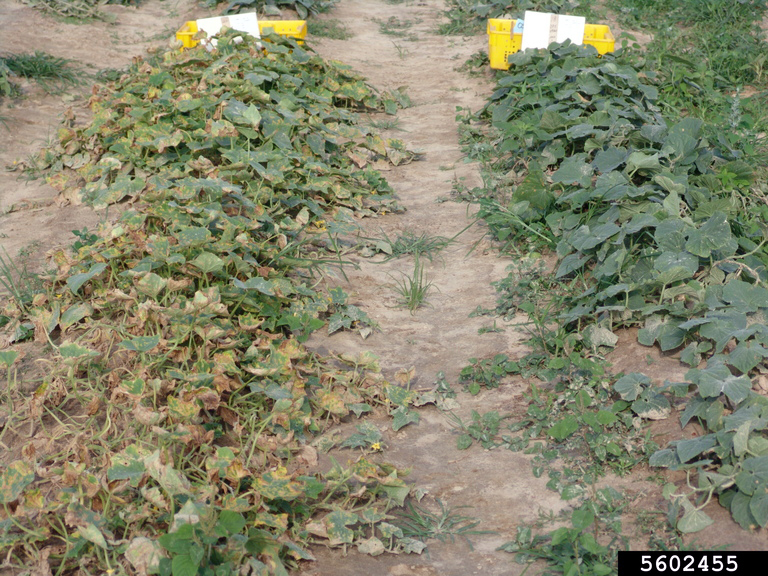
The “host” is the thing that the pathogen infects and lives on. We are talking about plant hosts, but anything can be a host to other living things.
- If your dog has tapeworms, the dog is the host of the tapeworm.
- If a tick is feeding on you, you are a host to the tick.
- If your lilacs have powdery mildew, the lilac plants are the host for the powdery mildew pathogen.
Many plant diseases are limited in what they can infect, typically staying within one plant family. If the host family for a certain plant disease isn’t present, you won’t see that disease in the garden that year.
For example, if your long-standing vegetable garden has been struggling with clubroot in cabbage and broccoli in past years, and you decide not to plant either, you won’t see clubroot. Without any plants in the Brassica family present in the garden, there is no host for the clubroot pathogen to infect.
Resistant varieties can also remove the host plant from the disease triangle. In gardening catalogs, you will see a wide array of disease resistance codes. These are good options for dealing with known or recurring disease issues in the garden.
The pathogen
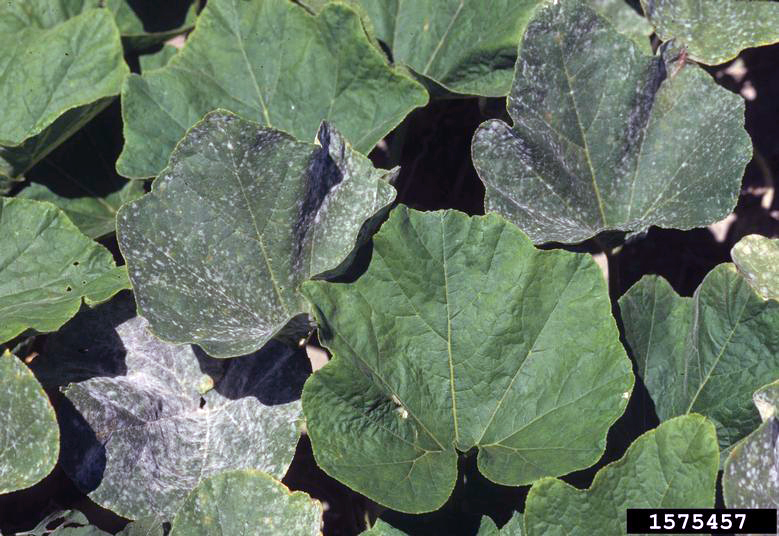
The pathogen is the organism that infects the host. Plant pathogens are microorganisms (bacteria, fungi, etc.) that can be seen only sometimes when they are making spores, but are often identified by the symptoms they cause.
Plant pathogens are incredibly diverse, partially because they are often very specific in which hosts they can infect. Most pathogens can infect only plants in a certain family.
Powdery mildew
For example, there are many different species of powdery mildew. Powdery mildew that you see on lilacs isn’t the same as the powdery mildew that infects zucchini, which is different from the powdery mildew that infects ornamental grass. This means that powdery mildew won’t necessarily jump from zucchini to grapes, as they are different pathogen species that infect each plant.
Different pathogens enter an area by different means. Some diseases produce spores that travel on air currents, while others can survive on plant debris from the previous year, and still others can survive on seeds.
Late blight
A pathogen’s different ways of surviving from year to year are why some diseases don’t show up in Minnesota at all in some years. An example of this is late blight, the disease that is partially to blame for the Irish Potato Famine.
Late blight needs living plant tissue to survive the winter, making it rare for it to survive in Minnesota from one year to the next. It likely moves around by wind. This means that late blight pathogens hopscotch across the country, infecting plants in an area and producing spores, which are carried with the wind to a new location, where the process repeats.
Late blight is not a major concern for Minnesota gardeners most years.
The environment
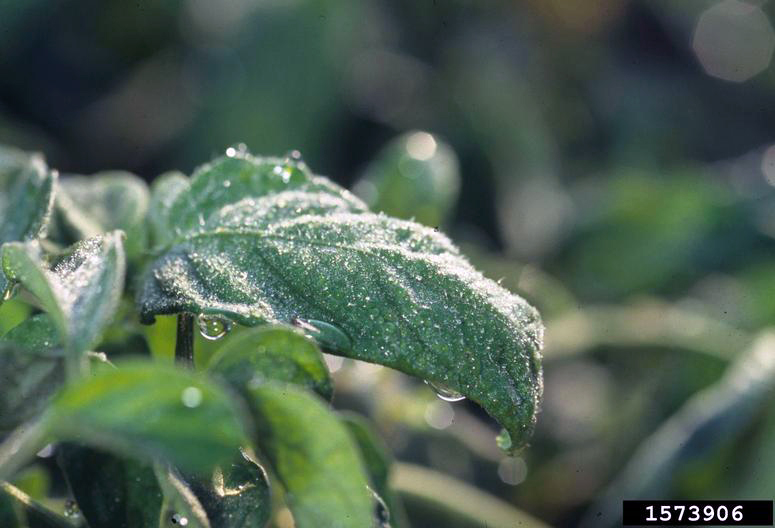
The environment includes weather, soil, and other environmental conditions to which both a pathogen and the host may be exposed.
Each disease has certain conditions it likes. Some diseases prefer high soil pH, some like temperatures in the 60s, and others like temperatures in the 80s.
Moisture is one environmental condition that almost every plant disease needs.
In the yard and garden, water on the leaves — be it from rain, dew, or watering — is key for many plant pathogens’ lifecycles. Drought and high temperatures can greatly reduce the amount of moisture that is present, removing the “environment” from that plant disease triangle.
We only see plant disease when all three things are present
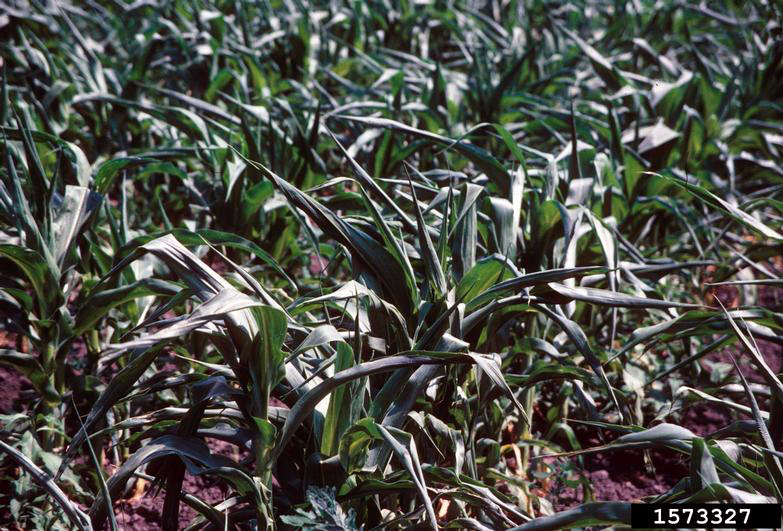
In a dry year, we lack the environmental conditions (mainly moisture) that many plant diseases need.
More frequent rains, or even watering with a sprinkler or carelessly with a hose, can add enough moisture for plant diseases to take off.
Gardeners who rotate, use resistant varieties, and remove diseased plants are working to remove the pathogen and host part of the triangle.
Good gardening practices break up the disease triangle, preventing many diseases from invading.
Other causes of plant distress
Diseases aren’t the sole cause of leaf spots, wilting plants, and generally unhappy-looking plants.
- A quick snap from freezing temperatures to extreme heat could mean that frost damage and heat stress have both affected plants.
- A lack of rain can cause water stress.
- Many insects also cause plant damage that can look like diseases.
Find more information about common plant diseases and preventing plant diseases in the garden.
Reviewed in 2025