

For many youth-serving organizations, August can feel like the end of summer. Camps, immersion experiences and summer sports conclude, local showcases take place, and attention begins to shift toward the school year ahead.
Research suggests we should view August differently
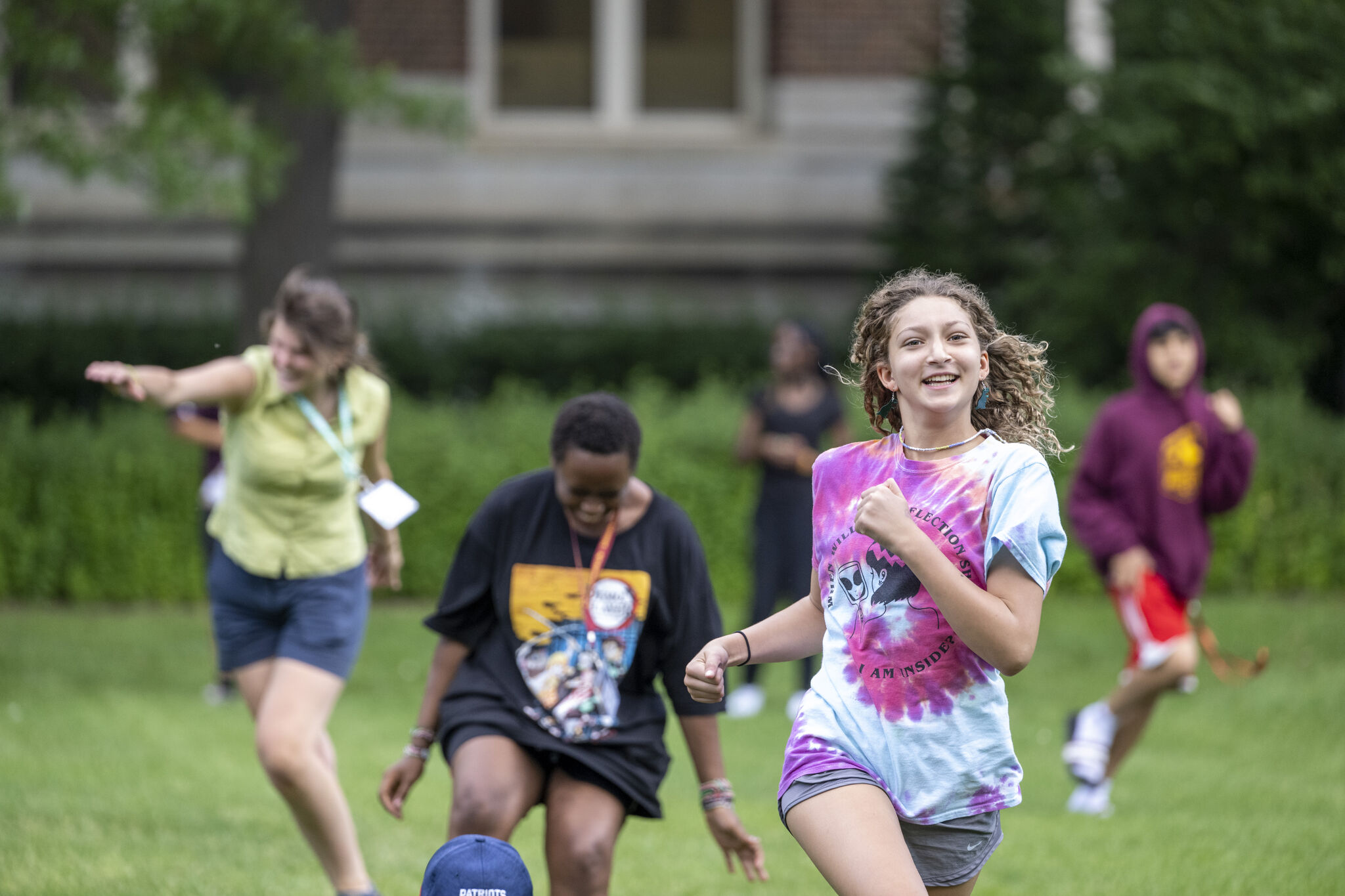
August may be one of the most important months of the year for youth development. Not because of what happens in school, but because of what happens during the transition into school.
Researchers have long documented that how young people spend their summer months influences their academic success, health and wellbeing, and future educational and career pathways.
The National Academies of Sciences, Engineering and Medicine concluded that summer experiences affect academic learning, social and emotional development, health and positive youth outcomes.
What makes August particularly important is that it represents a period of transition. Research shows that transitions create opportunities for growth, reflection and identity development.
During adolescence, young people are actively developing a sense of who they are, where they belong and who they hope to become.
This is where youth development programs matter
When young people participate in camps, showcases, leadership programs, community service projects, STEM experiences and other structured learning opportunities, they are building confidence, strengthening relationships with peers and caring adults, developing leadership and communication skills, and discovering new possibilities for their future.
Research shows that high-quality summer experiences support interpersonal skills, confidence, identity development, and social and emotional growth.
The impact of these experiences often becomes visible in August. It is during these final weeks of summer that young people begin connecting what they have learned to what comes next.
A youth who served as a camp counselor starts to see themselves as a leader. A young person who completed a community project begins to recognize their ability to make a difference. A participant who presented a project at a county fair gains confidence in their communication skills.
In many ways, August is where experiences become aspirations
For Minnesota 4-H Youth Development, this connection is especially important. Our Beyond Ready framework focuses on preparing young people to thrive in work and life through experiences that build confidence, belonging, leadership, communication, adaptability and resilience. August is often the month when youth begin translating those experiences into future goals.
It's not just the end of summer; August is the bridge between experience and opportunity. The conversations, experiences and relationships we facilitate during this month can help shape how young people enter the school year and continue their journey toward becoming Beyond Ready.
Three ways to make August count
1. Help youth reflect on their growth
Ask young people what they learned, what challenged them, what they enjoyed and what they are most proud of from the summer. Reflection helps youth connect experiences to identity, confidence and future aspirations.
2. Strengthen belonging and relationships
Supportive relationships with peers and caring adults are especially important during periods of transition. August is an ideal time to reconnect youth with clubs, programs, mentors, volunteers and peer networks.
3. Turn experiences into goals
Help young people identify one meaningful goal for the year ahead. Connecting summer experiences to future aspirations can increase motivation, engagement and purpose.
National Academies of Sciences, Engineering, and Medicine. 2019. Shaping Summertime Experiences: Opportunities to Promote Healthy Development and Well-Being for Children and Youth. Washington, DC: The National Academies Press. https://doi.org/10.17226/25546
National Academies of Sciences, Engineering, and Medicine. 2019. The Promise of Adolescence: Realizing Opportunity for All Youth. Washington, DC: The National Academies Press. https://doi.org/10.17226/25388
Wilson, S. J., J. Sibthorp, and J. Gookin. 2019. Fostering distinct and transferable learning via summer camp. Children and Youth Services Review 98: 269–277. https://doi.org/10.1016/j.childyouth.2019.01.017
Christiaens, A. H. T. 2024. Navigating School Transitions: The Formation and Maintenance of Adolescents' Educational Identity. Utrecht University. https://research-portal.uu.nl/en/publications/navigating-school-transitions-the-formation-and-maintenance-of-ad/