


Find resources to help farmers manage safety risks related to equipment, livestock, extreme weather and stress.
Small farms
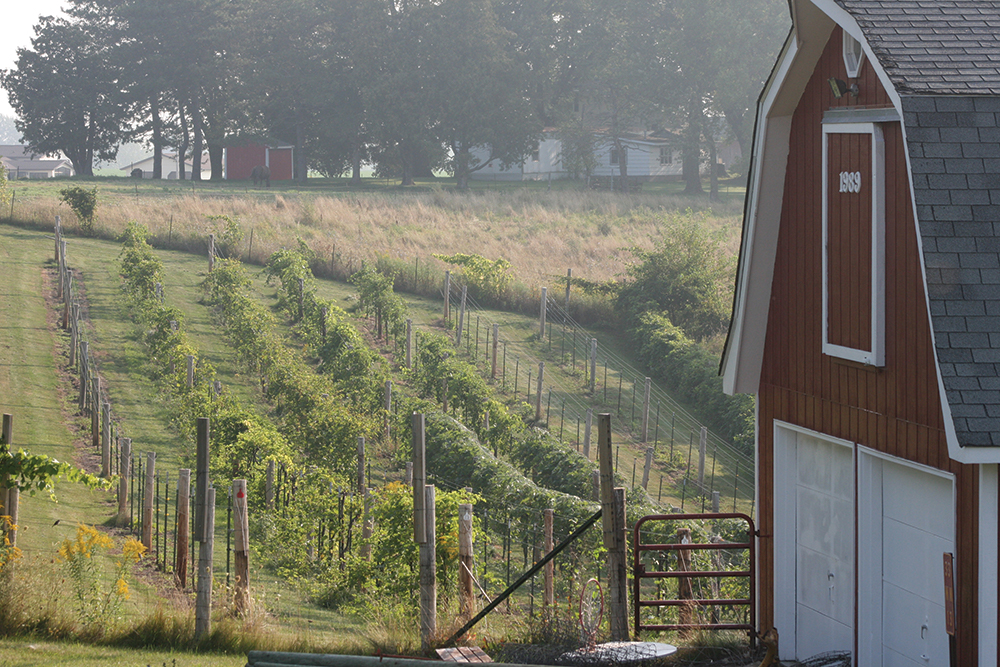
Extension provides information on best business practices, crops, livestock, farm safety, and land management. The small farms program builds on more than a hundred years of experience working with Minnesota farmers to meet their changing needs.
Our goal is to build on the profitability and success already achieved by Minnesota’s agricultural industry and help small farm owners succeed as stewards of the land.
Guides and resources for small farms
Find recommended resources and video playlists on a variety of topics related to managing a one- to 40-acre farm.
|
- Choosing plants for your cut flower farm
- Deep winter greenhouses
- Growing high tunnel raspberries
- Small-scale hydroponics
Video playlists
- Apple pruning (3 videos)
- Cold climate fruit webinars (19 videos)
- Fruit crops (51 videos)
- Fruit and vegetable production webinars (12 videos)
- Vegetable crops (9 videos)
- Vineyard and orchard management (34 videos)
Cattle
Pigs
Chickens
Sheep and goats
Video playlists
- Animal management (17 videos)
- Biosecurity for alternative swine farms (4 videos)
- Grazing systems (4 videos)
- Raising chickens (7 videos)
Resources

Pollination on fruit and vegetable farms
For fruit, vegetable and other specialty crop farmers, bees are the most important pollinators

Growing safe food
Our on-farm Good Agricultural Practices (GAPs) Education Program helps Minnesota’s produce farmers develop and implement on-farm food safety plans and prepare for GAPs audits.

Farm finance
Find resources and tools to help you budget and manage your farm's financial health.
More from Extension
Commercial fruit production in Minnesota
Extension fruit production educators and specialists work with growers to enhance profitability, add value, and maintain food security through local production and marketing of fruit crops in Minnesota.
Vegetable farming in Minnesota
Extension vegetable production educators and specialists work with growers to enhance profitability and sustainability, add value, and maintain food security through local production and marketing of vegetable crops in Minnesota.
Learn more
Learn more about small farms
Contacts:
Farm Information Line: [email protected], 1-800-232-9077
Emily Krekelberg, Extension educator, Farm safety and health, [email protected]
Page survey