


Volunteer efforts allow visitor center to reopen
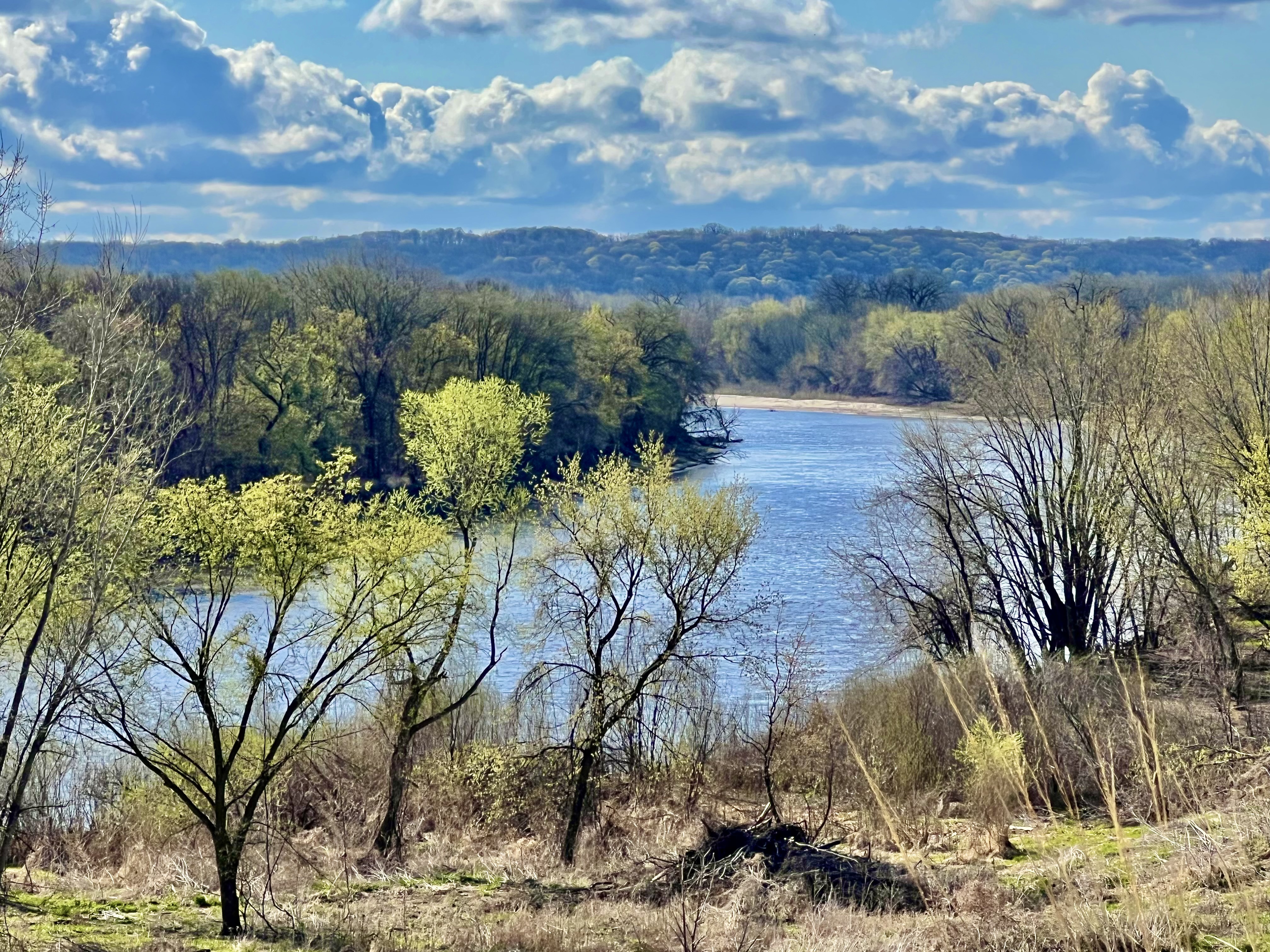
Tucked into the west side of the Minnesota River is a beautiful visitor center with exhibits and classrooms in the Minnesota Valley National Wildlife Refuge. Outside, visitors are immersed in birdsong, tallgrass prairie and oak savanna. The only problem? Until a few years ago, you would have found the Rapids Lake Education and Visitor Center closed due to staffing issues.
Since 2025, 28 dedicated University of Minnesota Extension Master Naturalist and Master Gardener volunteers have worked almost 1,000 hours to keep the visitor center open on weekends, in addition to providing ongoing improvements and restorations to the site in collaboration with the U.S. Fish and Wildlife Service (FWS).
“The volunteers are committed. They want to do things that matter. During the planning stages, I thought they would love this project,” said Amy Rager, Extension educator for the Minnesota Master Naturalist Program, of the opportunity for volunteers to contribute to reopening the center.
“It's been an honor to help reopen, and keep open, the Rapids Lake Visitor Center,” said Kirby Hoberg, Minnesota Master Naturalist volunteer.
Rooted in collaboration
Rager collaborated with FWS employees Vicki Sherry, biologist, and Sarah Inouye-Leas, volunteer coordinator. Their goals included a prairie restoration, removing woody invasive plants, planting an accessible pollinator garden near the old barn foundation and reopening the visitor center on weekends with Minnesota Master Naturalist volunteers.
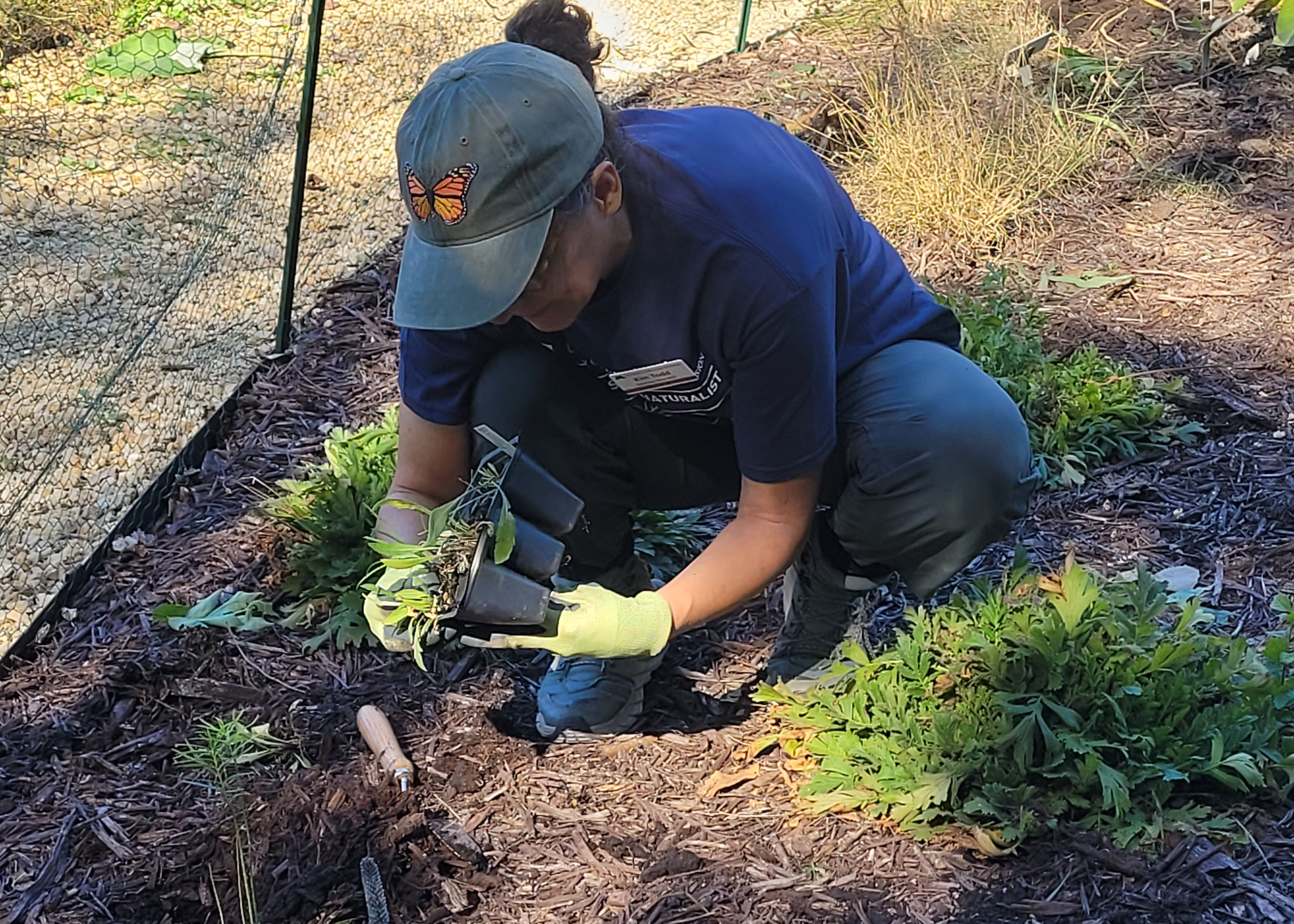
“This partnership has helped us reduce impacts from invasive species, enhance habitat for pollinators by installing native prairie gardens and engage with a broader network of volunteers,” said Inouye-Leas.
A two-year Conservation Partners Legacy grant helped fund the invasive species management and pollinator and prairie planting.
“This project not only helped us restore important prairie and oak savanna habitats, but the volunteers have been instrumental in reopening the visitor center in Carver to the public,” said Sherry. “We continue to value the important relationship with the Minnesota Master Naturalist Program and hope to continue it in the future.”
Volunteer dedication and purpose
To become a certified Master Naturalist volunteer, individuals go through 40 hours of training and complete a capstone project that benefits Minnesota’s natural resources or environmental education initiatives.
One group of Master Naturalists completed a capstone project designing an accessible pollinator garden. Located at the end of a trail, the project included installing pavers to ensure wheelchair access into the garden. The Master Naturalists also selected and labeled all the plants.
Early on, about 30 Master Gardener and Master Naturalist volunteers in the area of Scott and Carver counties got involved, and it’s been successful enough that they are completing a second round of adding more volunteers to the pool.
“One of the rewarding experiences as a volunteer is in making connections through shared enthusiasm for outdoor recreation, and guiding and advising visitors to the lay of the land and what they can expect to see or encounter,” said Ian Commins, Master Naturalist volunteer. “Nothing beats the excitement of birders, hunters, photographers, anglers or curious kids when they hear or see what all Rapids Lake has to offer.”
On the horizon
Planning is underway for 4-H offerings for youth at the site by Devarati Bhattacharya, Carver County 4-H Extension educator, and Kaitlyn Albers, Scott County 4-H Extension educator. For example, Master Naturalist volunteers have helped design a camp as a capstone project that the volunteers could help teach.
Permission is granted to news media to republish our news articles with credit to University of Minnesota Extension. Images also may be republished. Check for specific photographer credits or limited use restrictions in the photo title.