

During long stretches of hot days in the 80s and 90s, you may experience disappointing yields in your vegetable garden. Bushy cucumber plants with no fruit, tomatoes not ripening, and beans with no flowers are typical.
The causes behind many of these phenomena are related to persistent high temperatures. High temperatures affect Minnesota’s vegetables in various ways.
Plants look healthy, but no vegetables develop
Potential issue: Too much fertilization
Giving some vegetables too much nitrogen results in lush green plants, but no harvestable vegetables. Vining vegetables are especially prone to this.
Make sure you are fertilizing appropriately for the weather and the plant you are trying to grow.
Potential issue: Hot day and nighttime temperatures cause flowers to drop
If you are still seeing flowers, but aren’t getting the tomatoes, peppers, beans, or zucchini you expect, there may be a few heat-related factors at play.
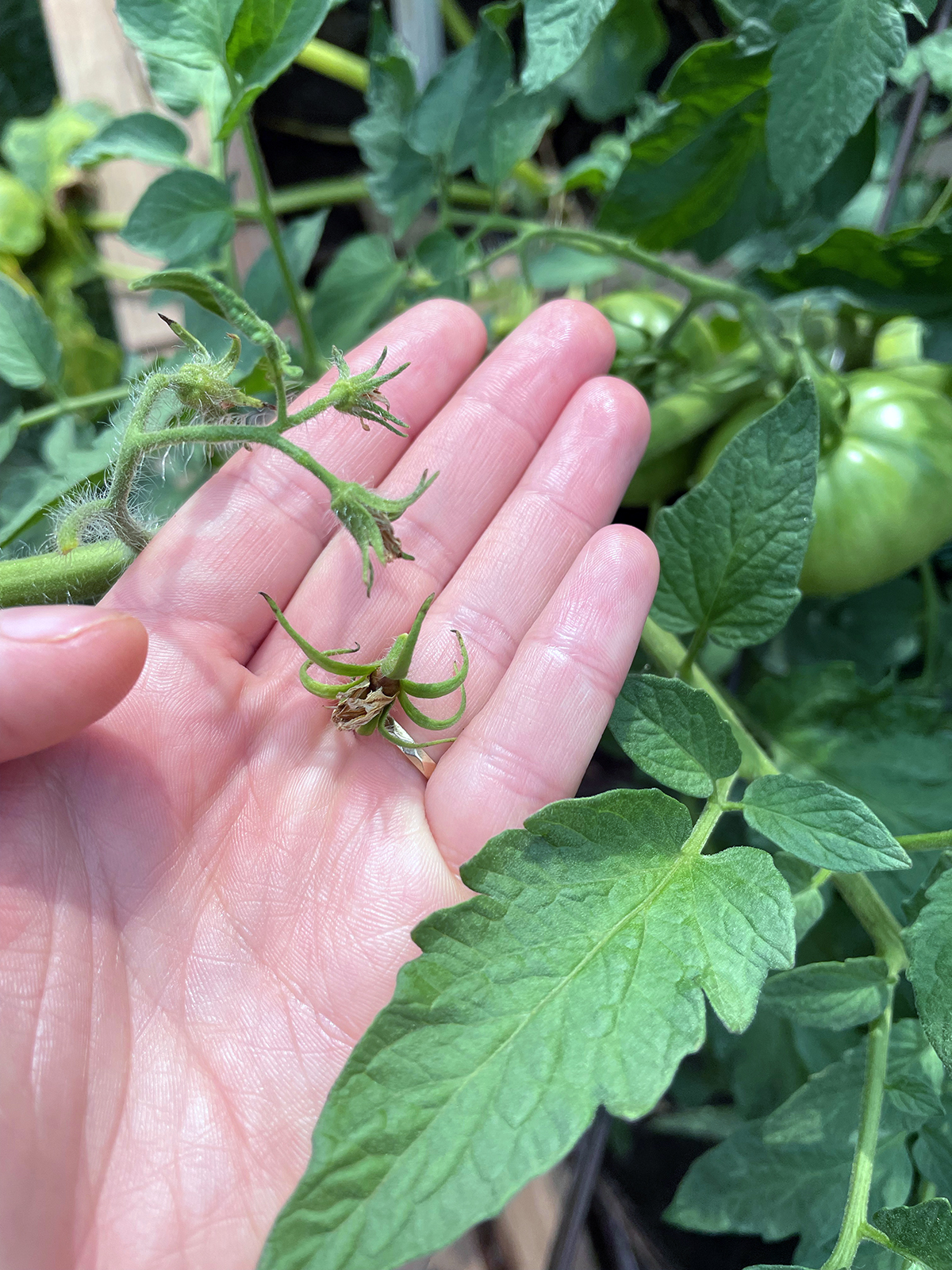
One possible factor is flower abortion: flowers form but then die and fall off the plant before they can develop into fruit. This can also occur in vegetables and other flowering garden plants. Flower abortion can happen at temperatures ranging from 75°F to 95°F.
Some plants may retain their flowers, but if they are not pollinated, no fruit results. Tomatoes produce new flowers frequently, and these flowers have a 50-hour window in which they can be pollinated.
When tomatoes are exposed to sustained hot temperatures (more than 85°F during the day and 70°F at night), the tomato plant becomes stressed and depletes its energy stores. This changes the flowers, making it harder for them to be pollinated, and the blossom often drops without pollination occurring. During 50-hour periods with hot days and especially hot nights, a round of tomato flowers is likely to drop off without pollination.
You may start to notice something similar happening with green beans, which can also abort flowers in hot temperatures (over 95°F), especially if the soil is dry.
Potential issue: Hot temperatures change the type of flowers some vegetables produce
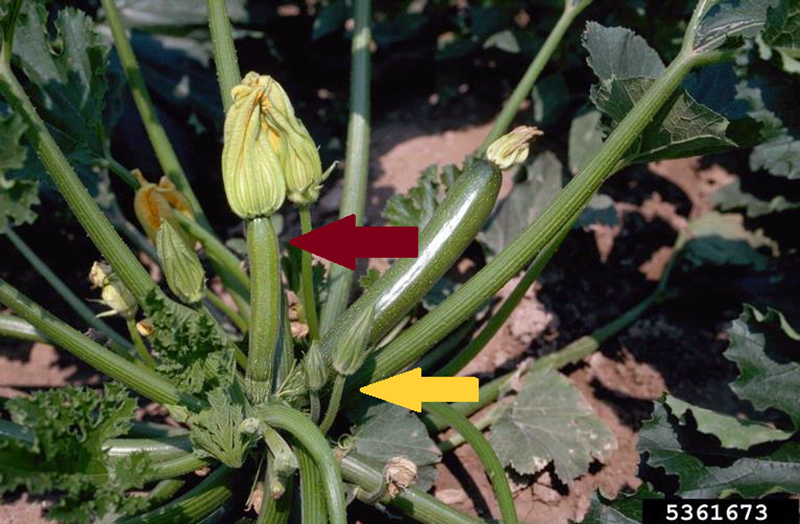
Vining vegetables in the cucurbit family (including pumpkins, squash, melons, cucumbers, and the like) produce both male and female flowers. Look at the base of the flower to tell the sex.
- Female cucurbit flowers will be swollen underneath in the area that will eventually become the pumpkin, zucchini, etc.
- Male flowers will have just a straight stem.
Depending on the variety of the vine crops, hot temperatures can alter the ratio of male to female flowers. Typically, high temperatures (over 90°F during the day and 70°F at night) develop more male flowers than female flowers. This means that you may see zucchini plants with prolific flowers and few fruits, because the flowers are all male.
Potential issue: Many bees don’t like it hot
In crops that depend on pollinators, such as members of the vine crop family, hot weather can impact bee activity, causing reduced fruit set. Just as we like to take it easy and rest in the shade on a hot day, so do many bees.
The ideal range for pollination for many species of bees is between 60°F and 90°F, with hotter temperatures in this range promoting more pollination. Once the temperature reaches 90°F, many bees slow down and pollinate less. This can be especially pronounced in crops like cucumbers, whose small flowers aren’t particularly attractive to many bees.
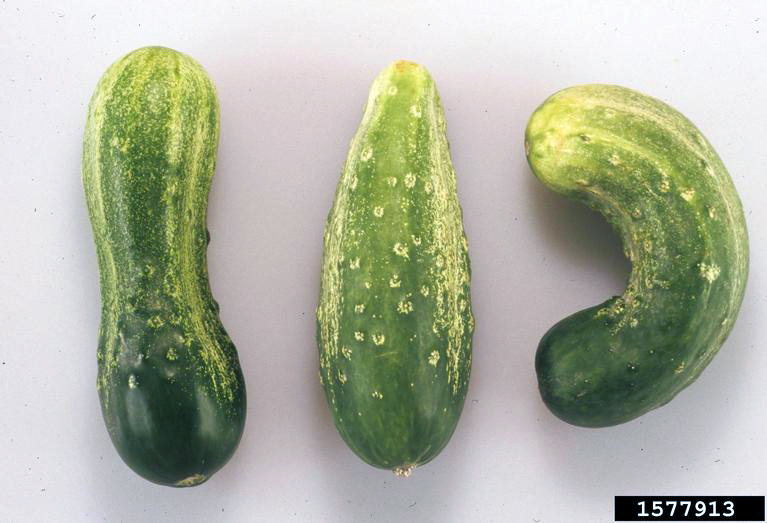
Pollination may occur, but not at a high enough level. This can lead to deformed cucumbers, summer squash and melons.
Vegetables don’t ripen
Potential issue 1: Poor pollination results in fruit that can’t grow
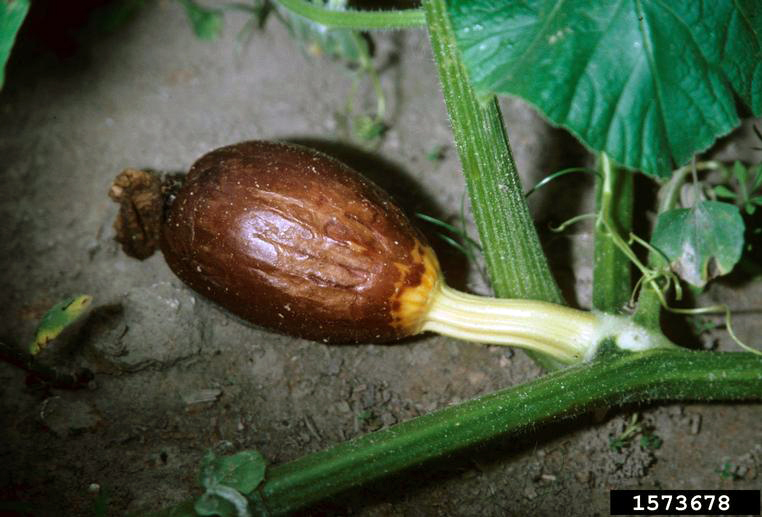
Small squashes, pumpkins and melons form but then rot. You may think that this is caused by disease, as the small fruit are often breaking down, soft, and covered in mold.
A more common cause is poor pollination. Just as poor pollination can result in misshapen fruits, it can also result in fruit that form and then quickly die.
Green beans can have similar issues. During periods of hot weather bean flowers produce less pollen, which cascades into fewer, smaller pods containing fewer, smaller beans.
Potential issue: Hot nights mean fruit doesn’t ripen
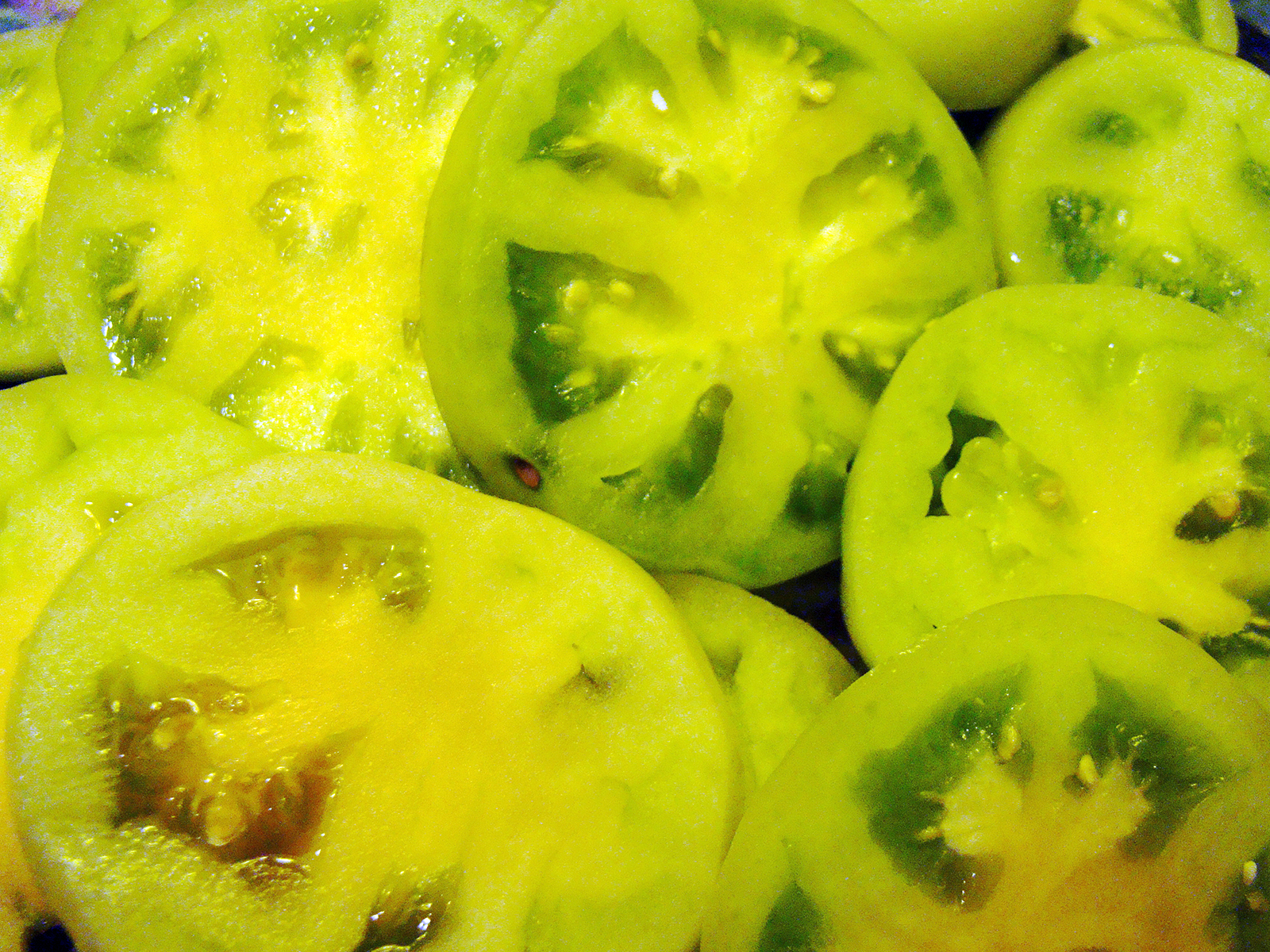
Tomato ripening happens in two stages. In the first stage of ripening, the tomato becomes mature and is green, seeds form, and the area around them becomes soft and gelatinous. (If you’ve ever had fried green tomatoes, you are eating a mature green tomato.) In the second stage, the tomato fruit turns red.
The optimum temperature range for tomato maturation is between 68°F and 77°F, while the pigments that turn ripe tomatoes red aren’t produced above 85°F. Once you start to experience some cooler nights, tomatoes will again have several hours within their ideal ripening temperature range, allowing them to fully ripen and redden.
Potential issue: You need to be patient
Vegetables take time to get ripe. There may be nothing out of the ordinary going on in the garden. Tomatoes can take six to eight weeks to fully ripen and change color, and some vine crops, like pumpkins, can take just as long.
Unfortunately, there really isn’t much to be done but wait out the hot temperatures. Cool nights will solve many of these issues. You can check the latest 30-day forecast from the National Weather Service to see when relief is in sight.
Take notes on how your vegetable varieties are performing, and consider trying a new heat-tolerant variety in the future.
Reviewed in 2025