

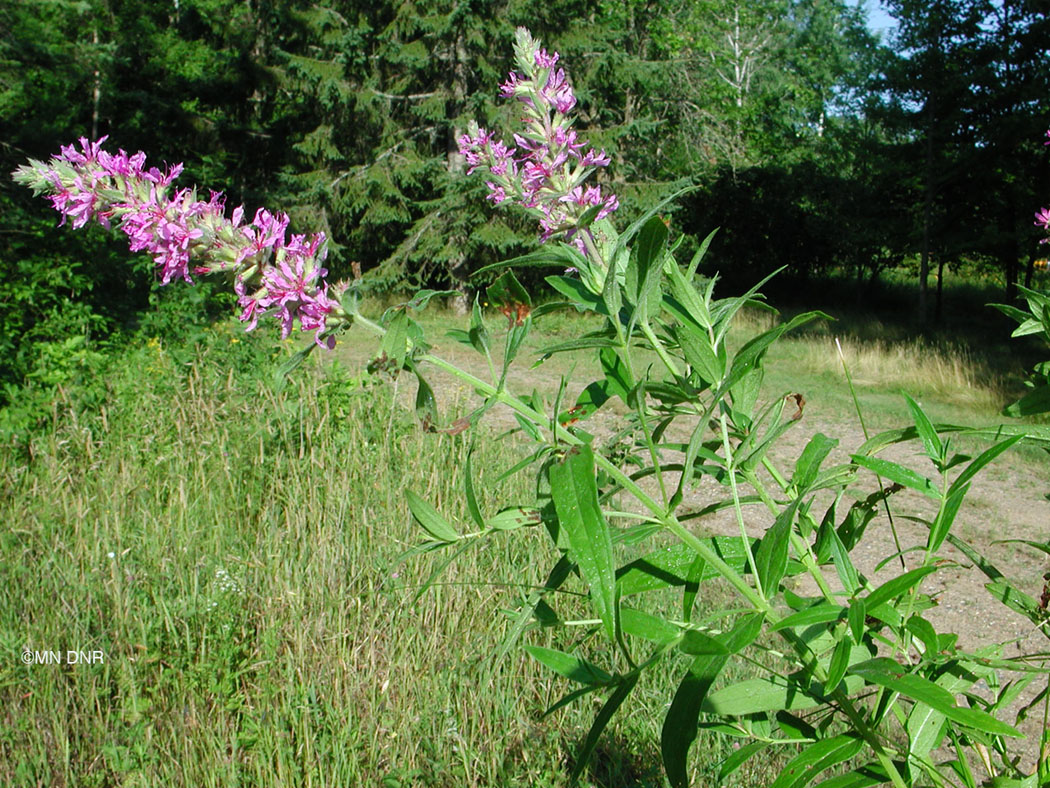
Why are invasive species a problem?
Invasive species are organisms introduced into areas where they are not native. Invasive species are a problem because they:
- Alter and destroy habitats for native species.
- Diminish biological diversity throughout the world.
- Have caused the extinction of some native species.
- Can be thought of as "biological pollutants."
Moving plants or animals, accidentally or intentionally, from one habitat into another where they've never been before is risky business.
Once established, invasive species are difficult to get rid of. Species introduced under favorable conditions will often overrun their new home and crowd out important native species. This happens because there are no predators, parasites, pathogens or competitors from their native habitat.
Protect your lake
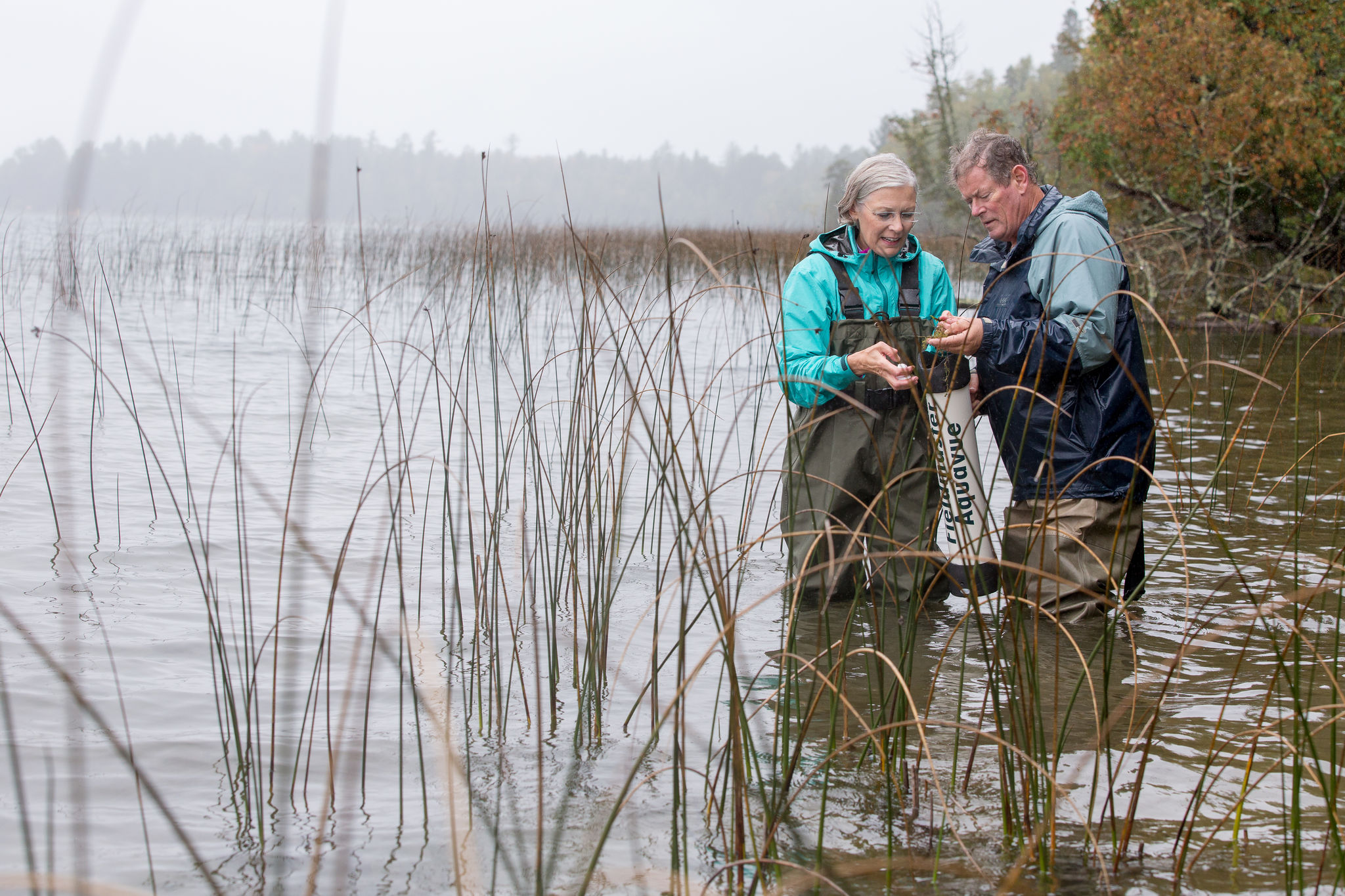
You can adopt these best management practices to minimize the spread of aquatic invasive plants and animals:
Learn what invasive species look like and look out for them
If you suspect a new infestation of an invasive plant or animal, report it to the Minnesota Department of Natural Resources (DNR) invasive species program.
Contact them for recommendations and permits before you try to control an invasive pest. Remember, invasive species thrive on disturbance. Do-it-yourself control treatments often make matters worse and can harm native species.
Organize educational campaigns and committees
Your lake association or civic group can also start an educational campaign in your area. Contact the Minnesota Aquatic Invasive Species Research Center to find out how you can become an AIS detector or tracker.
Hold public awareness events
Conduct public awareness events at water access sites. At DNR access sites, notify the DNR before planning an activity.
Don't transport species
Don't transport water, animals or plants from one lake or river to another. In Minnesota, it's illegal to transport surface water, aquatic plants or invasive species.
Check and remove plants and animals

- Remove plants and animals from your boat, trailer and accessory equipment before leaving the water access area.
- Make sure you check all equipment such as anchors, centerboards, a trailer hitch, wheels, rollers, cables and axles.
Drain water before leaving water access
Drain your Livewell pump, bait bucket, and bilge water before leaving the water access area.
Empty your bait bucket on land, never into the water
- Never dip your bait bucket into one lake if it has water in it from another.
- Never dump live bait from one water body into another.
Wash your boat with hot water
- Wash your boat, tackle, downrigger cables and trailer with hot water.
- Flush hot water (at least 104 F) through your motor's cooling system and other boat parts that normally get wet.
- If possible, spray your boat, trailer and accessories with hot, high-pressure water.
- Let everything dry for 5 days before transporting your boat to another body of water. Both hot water and drying will kill zebra mussels.
Learn more about AIS
- Visit the Minnesota Aquatic Invasive Species Research Center for more information on how you can help protect Minnesota waters.
- Always follow state law to protect against aquatic invasive species by cleaning and draining your boat and other water-related equipment.
- Report aquatic invasive species it to the Minnesota Department of Natural Resources Invasive Species Program. A permit may be required to remove some non-native invasive plants.
Reviewed in 2026