

Training tailored to Minnesota’s unique biomes
The Minnesota Master Naturalist training course includes 40 hours of lectures, hands-on activities, videos and field trips that cover in-depth specific aspects of Minnesota’s natural history.
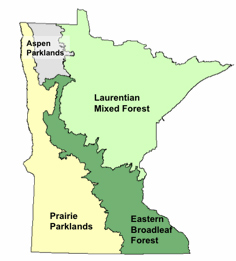
We offer courses for each of Minnesota’s three biomes:
Big Woods, Big Rivers – The Eastern Broadleaf Forest includes three of the largest rivers in the state.
North Woods, Great Lakes – The Laurentian Mixed Forest covers 23 million acres of northeastern Minnesota.
Prairies and Potholes – The Prairie Parkland Province biome is dotted with "pothole" lakes and is hotter and drier than other regions.
You must complete 40 hours of training to become a certified Minnesota Master Naturalist. You will be certified in the biome that you take, and you need only take one biome course to start volunteering.
The course cost includes manuals and supplies. Income-based scholarships are available.
Advanced training
Advanced training courses provide Master Naturalists and the public with opportunities to participate in recreational activities and learn about a new natural resource topic. Topics build on the curriculum taught in our core biome courses, but you do not need to be a Master Naturalist in order to take any of the advanced training courses.
Minnesota Master Naturalists are required to log 40 hours of volunteer service and participate in 8 hours of advanced training annually. Courses that meet training requirements are offered throughout the state and year-round. These courses provide Master Naturalists and the public with opportunities to participate in recreational activities and learn about new natural resource topics. Topics build on the biome curriculum.
Our annual also includes workshops that count toward meeting this requirement.