


Keeping living roots in the ground year-round can improve water management, soil protection, and nutrient scavenging.
Growing small grains in Minnesota
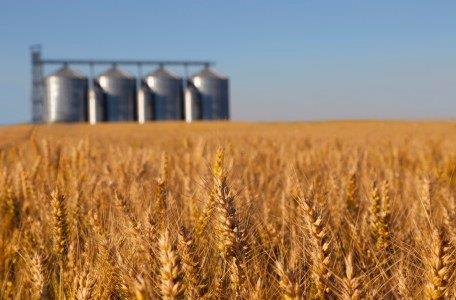
Extension conducts applied research on small grains production at University of Minnesota Research and Outreach Centers and on working farms around the state to solve the real-world problems facing farmers and ag professionals.
Find guidance on how to choose the right barley, oat, wheat and rye varieties for your farm, as well as information about individual varieties and related regulations. Maximize crop quality and minimize losses with strategies for harvesting, storing and drying small grains in Minnesota.
We work with
- Farmers
- Crop advisers
- Ag professionals
Guides and resources for growing small grains in Minnesota
|
Emergence and stand establishment
Growth and development
NDAWN Center – Provides GDD data and disease models specific to northwestern Minnesota and North Dakota.
Selecting crops, rotations, varieties and regulations
Principles of selecting small grain varieties – Mixing and matching varieties; crop maturity considerations; agronomic characteristics to look for.
- Establishing a yield goal for small grains
- Organic oat production – Benefits of adding oat to the crop rotation.
- Small grain crop rotations – Effect of crop rotation on yield, pest pressure, soil structure and water use.
- Winter barley: An emerging crop – Breeding program focuses on winter hardiness.
- Understanding grain quality
- Understanding small grain yield trials
Regulations
Variety protection regulations – How the Plant Variety Protection Act works.
Individual varieties and performance
To compare small grain varieties, trial plots are set up at experiment stations in Minnesota and in farmers’ fields across many counties in the state. At each location, varieties are grown in replicated plots. Plots are handled so that factors affecting yield and other characteristics are as similar as possible for all varieties at each location.
Trials are not designed to compare crops or species because crops are grown in different fields or under different management. Only use the data to compare varieties within a single table.
Variety trial results
– Most barley producers in the region grow barley for malt and select varieties approved by the American Malting Barley Association (AMBA). The most important industry specifications for making malting grade are low grain protein (11.5%-13.5%), kernel plumpness (>80%), and low deoxynivalenol (DON) content (<2 ppm). DON is the toxin produced by the Fusarium Head Blight (FHB) pathogen. In addition to yield and acceptable malt quality, disease resistance plays an important role in variety selection.
Oat variety trials – In addition to yield, lodging, and grain quality traits, varieties are evaluated for resistance to crown rust, loose smut, and barley yellow dwarf.
– Varieties are evaluated on yield performance and quality traits. Resistance to Fusarium head blight (FHB) is an important consideration, since it can reduce grain quality. Other disease evaluations include leaf, stem and stripe rusts, and bacterial leaf streak.
Winter rye variety trials – Winter rye is the most winter-hardy and drought-tolerant of all small grains. It continues to grow until late fall, overwinters, and then resumes growth in the spring, making it a popular choice for cover-crop and green-manure systems. It is also grown for pasture forage and as a grain crop. Hybrid winter rye varieties typically yield significantly more than open-pollinated varieties.
– Fall establishment and winter survival are essential for winter wheat to reach its potential in Minnesota. The yield potential of winter wheat is greater than that of spring wheat, especially in the southern half of the state. In addition to yield, varieties are evaluated for winter hardiness, days to heading, plant height, and resistance to lodging. Most winter wheat varieties are considered to be susceptible to very susceptible to FHB; however, because they head earlier than spring wheat varieties, they have a chance to avoid the yield and quality losses caused by this disease.
New variety releases
Each year, the Minnesota Crop Improvement Association (MCIA), in cooperation with the University of Minnesota and other universities, makes newly released varieties available. You can find a summary of wheat, oat and barley varieties released in recent years under .
Spring grains
Winter grains
- Guide to planting winter-hardy wheat varieties in Minnesota
- When to plant winter wheat in Minnesota
- Recommended seeding rate and depth for planting winter wheat in Minnesota
Delayed planting and replanting
Equipment
- Evaluating winter wheat plant stands – One of the hardest decisions when growing winter wheat is assessing the extent of winterkill and deciding whether to keep a stand.
- Early season yellowing of wheat and barley
- Frost damage to small grains
- Heat canker in wheat, barley and oats
- Hot weather and leaf tip necrosis in wheat
- How high temperatures affect wheat yield potential
- Wheat flooding and waterlogging
The UMN Extension crops team wants to help you with disease diagnosis. Visit Digital Crop Doc, tell us more about your field situation and submit photos. One of our team members will contact you.
Harvest
- Harvesting small grains for forage – How growth stage impacts yield and quality; strategies for harvesting oats for silage.
- Managing wheat before harvest – Pros and cons of swathing vs. glyphosate; how to identify the best time for preharvest treatment.
Drying and storage
- Drying wheat and barley
- Managing flooded grain bins
- Managing stored grain with aeration
- Selecting fans and determining airflow for grain bins
- (web-based app for selecting grain bin fans by crop, bin size and desired airflow).
- Storing wheat and barley

Nutrient management
Find crop-specific nutrient guidelines for nitrogen, phosphate, potash and other fertilizers, and strategies for ensuring crops get the nutrients they need.

Soil and water
Soil health, irrigation and agricultural drainage resources for Minnesota.
Address your crop-related concerns through research-based webinars during the winter and regular podcasts during the growing season.
Institute for Ag Professionals
We connect ag professionals with the latest crop research to help them make economically and environmentally wise crop management decisions.
Learn more about crop production
The University of Minnesota Extension crops team helps producers take control of their decisions to increase profitability and reduce economic and environmental risks. Our researchers and educators work in pest management, agricultural drainage and water management, soil management and health, climate and weather, and pesticide safety.
Page survey