


Before Winifred Sylvah delivers produce to schools, she carefully follows her food safety plan, informed by training from University of Minnesota Extension.

Minnesota State Fair 4-H exhibitor Lauren P. shares what it took to produce a 15-pound chicken, all out of yarn.

Taking action on food security, Master Gardener volunteers like Brenda Langerud donated 63,372 pounds of produce to food shelves in 2025, and 2026 numbers are coming in strong.

Minnesota 4-H State Ambassador Ellianna H. shares the experience of refurbishing and showing a 1952 camper for the state fair and looks ahead to October with National 4-H Week, Oct. 4-10.

No matter where you live in the state, it pays to take basic preparation steps now so you’re prepared when it matters most, says Seth Spencer, Extension educator in climate adaptation and resilience.
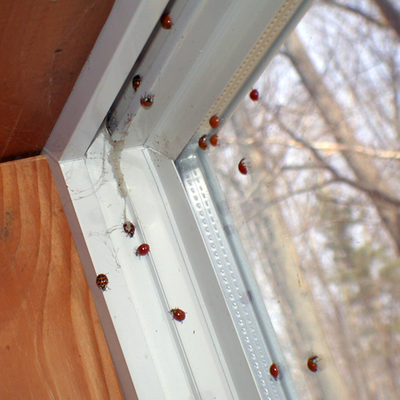
A warm, sunny afternoon after a cool stretch triggers Asian lady beetles to find winter shelter. Suddenly, they’re everywhere, gathering on warm walls, clustering on light colored siding, and crawling along window frames.

Minnesota 4-H State Ambassador Elsa S. reflects on her personal growth in the State Arts-In program and looks ahead with this year's 4-H State Ambassador team.

The awards were presented on Sept. 22, beginning with Distinguished Friend, State Representative Paul Torkelson.

Private landowners steward their piece of Minnesota’s forested acres for future generations, with the help of Extension’s Woodland Stewards program.

Education that improves lives has to sink in deeply — and stay there so participants can use it. Extension makes that happen through proven instructional methods.
Permission is granted to news media to republish our news articles with credit to University of Minnesota Extension. Images also may be republished. Check for specific photographer credits or limited use restrictions in the photo title.