

Lundin family, 2026 Farm Family of the Year

Minnesota has a world-class health care system, high rates of health insurance coverage, and is one of the states where its residents spend the least amount of their income on health insurance.

Extension volunteers star as the next generation in lake conservation.
If you plan to use a restricted use pesticide on land or sites for the production of agricultural commodities, reside in Minnesota, and your private pesticide applicator certification expires on March 1, 2026, it’s time to renew. Renewal provides a great opportunity to help you stay current on pesticide safety, application best practices, and the latest in integrated pest management.

With temperatures finally dropping, it’s that time of year to bring house plants back inside for the winter. There are several things you want to remember when re-introducing them to the indoors.

Late fall lawn care in the Northwoods involves several important steps to ensure your lawn remains healthy through the winter and into the spring. Here are a few recommendations to prepare your lawn this fall, including how short to cut your grass, patching bare spots, starting a bee lawn to help attract more pollinators, fertilizing and prepping your irrigation system.

The days are getting shorter, the nights are cooler, and there’s a feeling of autumn in the air here in the Northwoods. Pie pumpkins are turning orange and butternut squash almost a cream color. Sarah Corry, Master Gardener, shares what she has learned through research and first hand experience on harvesting and storing these pumpkins and winter squash.

RSDP regional boards and work groups bring community leaders and University faculty and staff together to advance sustainability in Greater Minnesota.
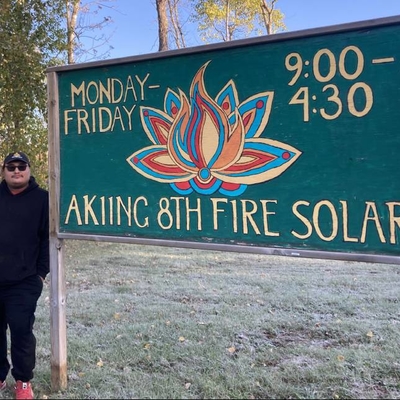
A solar thermal business located on the White Earth Reservation in Northwestern Minnesota hopes their sustainable product can help build a better future for everyone, especially Native American communities.
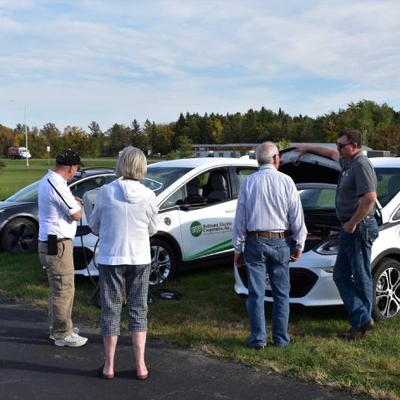
Car-sharing programs incorporating EVs are typically found in warmer climates, but research supported by the Northwest RSDP suggests such a program could also work in northern Minnesota, providing a sustainable option for those who lack transportation access.