


Extension resources to help growers maintain profitability, sustainability, and food security through the production and marketing of vegetable crops.
Disease and insect management for vegetable crops
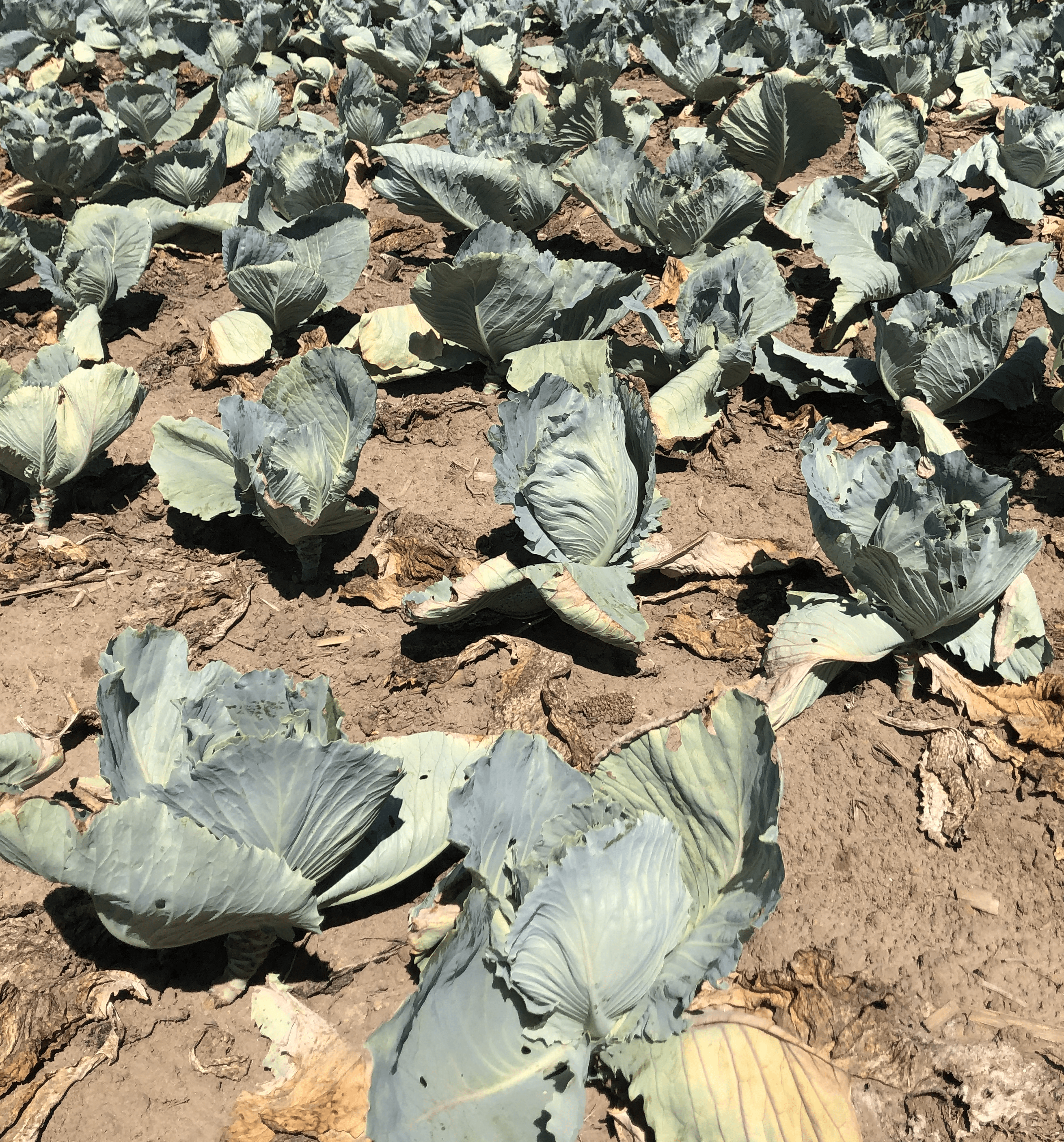
These articles are for professional vegetable growers. They include necessary information for diagnosing and treating common diseases and infestations that can damage crops and affect economic outcomes for commercial growers.
Home gardeners: see Yard and garden problems.
Disease management for vegetable crops
Preventing plant diseases on farms is a quick list of strategies for minimizing plant diseases in vegetable crops.
|
Broccoli, cabbage, cauliflower, kale (brassicas or cole crops)
- Bacterial canker of tomato
- Bacterial spot of tomato and pepper
- Early blight of tomato
- Fusarium crown and root rot
- Fusarium wilt
- Gray mold of tomato
- Late blight of tomato
- Phytophthora blight
- Pith necrosis of tomato
- Tomato disorders
- Tomato leaf mold
- Tomato leaf spot diseases
- Tomato mosaic virus and tobacco mosaic virus
- Basil downy mildew
- Bean pod mottle virus on soybean; also affects common beans
- Stem and bulb nematode
- White mold
Insect management for vegetable crops

Minnesota is home to insects, both beneficial and pests, that impact vegetable production. Learn to anticipate and manage these common insects in vegetable crops.
|
Broccoli, cabbage, cauliflower, kale, and other cole crops (brassicas)
Cucumber, pumpkin, squash, and melons (cucurbits)
- Cucumber beetles (spotted and striped)
- Cutworms
- Spider mites
- Squash bugs
- Squash vine borers
Tomatoes, peppers, eggplants, and potatoes (solanaceous)
Sweet corn
Other crops
- Asparagus beetles
- Aster leafhopper
- Bean leaf beetles
- Cutworms
- Japanese beetles
- Leafminers (spinach and vegetable)
- Onion maggots
- Slugs
Some of these insects are pollinators; most are natural predators of harmful insects
Resources for vegetable farming

Growing safe food
The Good Agricultural Practices (GAPs) Education Program works with produce farmers to help develop and implement on-farm food safety plans and prepare for GAPs audits.

Pesticide safety licensing, certification and resources
Extension provides pesticide education and resources for certified and licensed applicators, those seeking certification, and other professionals needing related training.
Learn more about fruit and vegetable farming
Contacts | News | Events | Facebook | Instagram | YouTube
Farm Information Line
| 1-800-232-9077
Contact the Farm Information Line for research-based information from local Extension educators and staff. This statewide service connects you to Extension resources and information to answer your questions about agriculture and natural resources.
Page survey