


Tune in to our WCCO Radio “Smart Gardens” show on Saturdays, 8-9 a.m., for answers to your lawn and garden questions. Dial in to AM 830 on your radio or ask your smart speaker.
Or listen to Smart Gardens podcasts whenever you have the time.
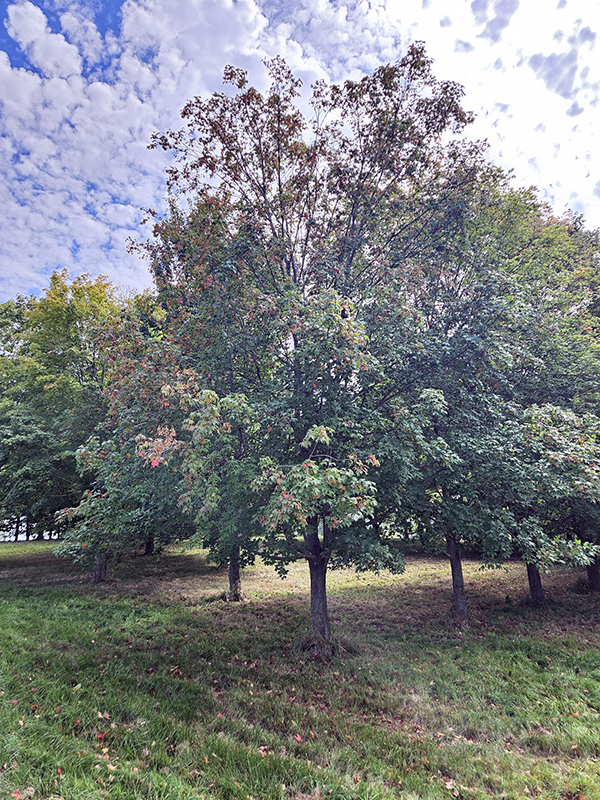
Mystery of the month
Is fall coming early, or is this maple tree stressed out?
The answer is at the bottom of this article.
Pests and diseases
Scout for pesky weeds that come into bloom in fall. Canada thistle may have beautiful flowers that attract various pollinators, but it needs to be controlled to slow its spread. It’s the law!
Manual pulling takes time, particularly if you leave any piece of root in the ground. Fall is a great time to control perennial weeds in the garden with an herbicide, because the plants are storing energy in their underground structures, like roots and rhizomes, for the winter. This timing helps to move the herbicide from the leaves into the roots to kill the weed.
Trees and shrubs
Like last fall, most of the state is in drought, and watering newly planted trees and shrubs is very important.
Dry soil cools down faster than moist soil, and roots are more susceptible to cold damage than the above-ground stems and branches of woody plants. It is a best practice to water deeply and infrequently rather than shallowly and frequently.
Don’t forget to water your established trees and shrubs, too.
Watch this short video and remember to water, water, water!
Flowers and other garden plants
Divide some perennial plants in early September, such as hosta or iris. The ideal time to divide spring and early-summer blooming perennials is at least 4 to 6 weeks before the ground typically freezes, rather than in spring.
Use the Midwest Regional Climate Center’s 4” Soil Temperature Climatology tool to figure out when the ground typically freezes. Select the “Go to ‘Cools Below’ View” to see fall temperatures and change the threshold temperature on the right-hand side of the page to 32°F.
Find out how and when to divide specific perennials so your plants look their best the following year.
Houseplants
Give your houseplants a new home to grow into. Some of your houseplants may need dividing or repotting.
If you notice water running directly out of the drainage hole at the bottom, the roots may have taken up most of the space in the pot or the potting mix is so dry it is repelling moisture (called hydrophobic media).
Lawn
According to the Lawn Care Calendar, September is typically the most important month of the year for lawns in Minnesota. It is often the best time to recover the lawn from summer stresses or prepare the lawn for next year.
Summer annual grassy weeds are shutting down right when days are still warm enough for growth to fill in the voids weeds created.
Most management practices like fertilizing and aerating work best on actively growing turf, so pay attention to local conditions. If the lawn is not actively growing because of drought, hold off on doing too much until things begin growing again.
Other tasks
Visit a local orchard or farm to take full advantage of the last of the fresh produce. There are many apple orchards and pumpkin patches in Minnesota, where you can pick your own fruit, take classes, or simply find inspiration for your garden.
Check out where you can pick your own or have a farm experience on the Minnesota Grown directory.
Solution to the mystery of the month
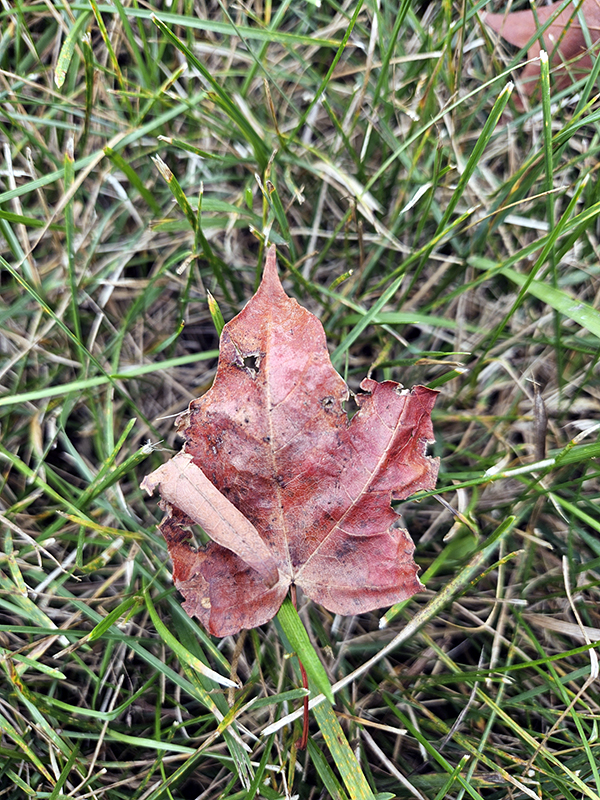
This tree has been impacted by drought stress from late summer into autumn for the past few years.
The leaves are prematurely turning color, drying up, and dropping.
In prior years, this tree had a robust red fall color that lasted well into early October. This year’s leaves are not changing color uniformly, and they feel papery before they turn brown and drop from the tree because of recurring drought stress.
To help this tree, water around it deeply to make sure the soil has moisture going into winter, and next spring, water as needed if we do not get enough rain.
Learn more about yard and garden
Need help? Ask a Master Gardener about plant diseases, insects, and other yard and garden issues.
The University of Minnesota Extension yard and garden team educates the public on landscape design and plant selection, integrated pest management, and gardening best practices for beautiful, bountiful, environmentally sustainable gardens.
Permission is granted to news media to republish our news articles with credit to University of Minnesota Extension. Images also may be republished. Check for specific photographer credits or limited use restrictions in the photo title.