


The Omé-Na-Ala (Igbo Traditional Farm) story garden is open at the Minnesota Landscape Arboretum’s Farm at the Arb now through October. The garden, co-curated by University of Minnesota Extension Master Gardener Volunteer Chidi Chidozie, will showcase vegetables of Chidozie’s Igbo Nigerian heritage, including many grown for medicinal use.
When Chidi Chidozie was a small child, his father brought him to the garden every morning before sunrise, rain or shine. “He would be out there in a raincoat, and so would I,” he says. “We planted in ridges to control water flow. He gave me my own ridge — I would poke holes in the soil with a stick and plant a seed in each hole.”
As Chidozie grew, war came to Nigeria, upending his youth. Later, gardening brought him a feeling of peace that he wishes upon others who have experienced trauma.
When he came to the U.S. in the 1970s to go to college, his dorm was a jungle. “I had basil hanging from the ceiling,” he says.
As the years went on, Chidozie, his family and his gardens grew. And so did his sense of peace and calm.
A neighborly recruiter
In 2014, a neighbor walking his dog by Chidozie’s Eden Prairie home suggested he apply to become an Extension Master Gardener volunteer.
“It has changed my life completely,” says Chidozie of the learning and the gardening network.
He learned to solve his most vexing problems. The plants his father grew in the shade in Nigerian heat needed sun in Minnesota to produce. Plants started from seed in the garden back home needed an early start indoors in Minnesota.
Chidozie had been gardening with habits passed down to him because they worked in Nigeria. “Things started making sense,” he says.
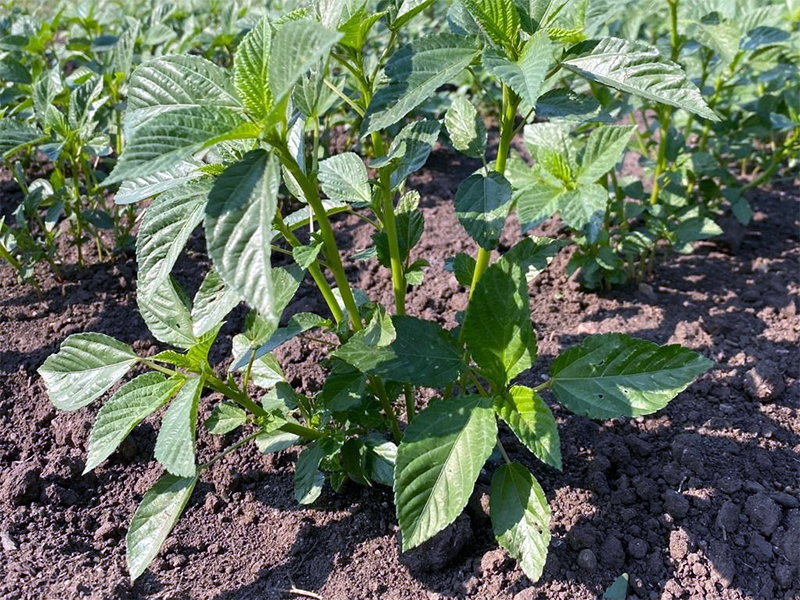
Showcasing Nigerian plants
Chidozie collaborates on a Global Garden on the University of Minnesota’s St. Paul campus with the Plant Breeding Center, as well as with several community gardens.
“With his experience and community-mindedness, Chidi was a natural choice to design a gallery garden focused on his Igbo heritage,” says Annie Klodd, the Arboretum’s manager of interpretation. “Cultural displays educate our visitors, who love to learn about plants and their fellow Minnesotans.”
Youth groups form one important target audience.
“Young people really want to see people who look like them or come from similar cultures,” says Brownson Arebojie, a Master Gardener and Arboretum garden exhibit coordinator. “They are often surprised that these plants can grow here, plants they may not have seen since they came to America, or that they have only heard of from Mom or Dad.”
“It’s an honor to be chosen,” says Chidozie. “I hope African immigrants will come and see what we have learned about growing these highly valued plants here, and that American-born people will find new plants to grow, cook and eat.”

Making inroads on hunger
Local food is a priority for Extension's Master Gardener volunteer program. Chidozie says his agriculturist father preached: ‘If you can grow your own food, you will never go hungry.’
“With climate change, some plants that grow in one location may not continue growing there, so diversification is better for our future survival,” he adds.
If his father taught him agriculture, Chidoze’s mother taught him generosity. She welcomed newcomers to an already large household and taught sewing to girls who could not afford school so they could start their own businesses. She donated food, including eggs from their chickens, to those who didn’t have enough.
Much of the Omé-Na-Ala produce will be donated to the Community Action Program food shelf in Shakopee. Arboretum chefs may also integrate African vegetables into their culinary creations, offering another way to learn about the plants.

Master Gardeners prepare to share learning
Maria Duane is one of many Master Gardener volunteers who jumped at the chance to help plant the story garden. “I'm learning about all these plants that I'm not familiar with,” she says. “I'll be out here throughout the season, and I hope to be ready to answer some questions.”
Omé-Na-Ala will be a restful, healing place where visitors can spend some time.
“If they're tired, they can sit on the logs and feel like they're in a jungle, especially when the fluted pumpkin and the Malabar spinach start growing,” says Brownson Arebojie.
“Most gardeners are peaceful people because gardening is therapeutic — at least it has been for me,” says Chidoze. “If we can impart that feeling to others, it will be better for all of us.”
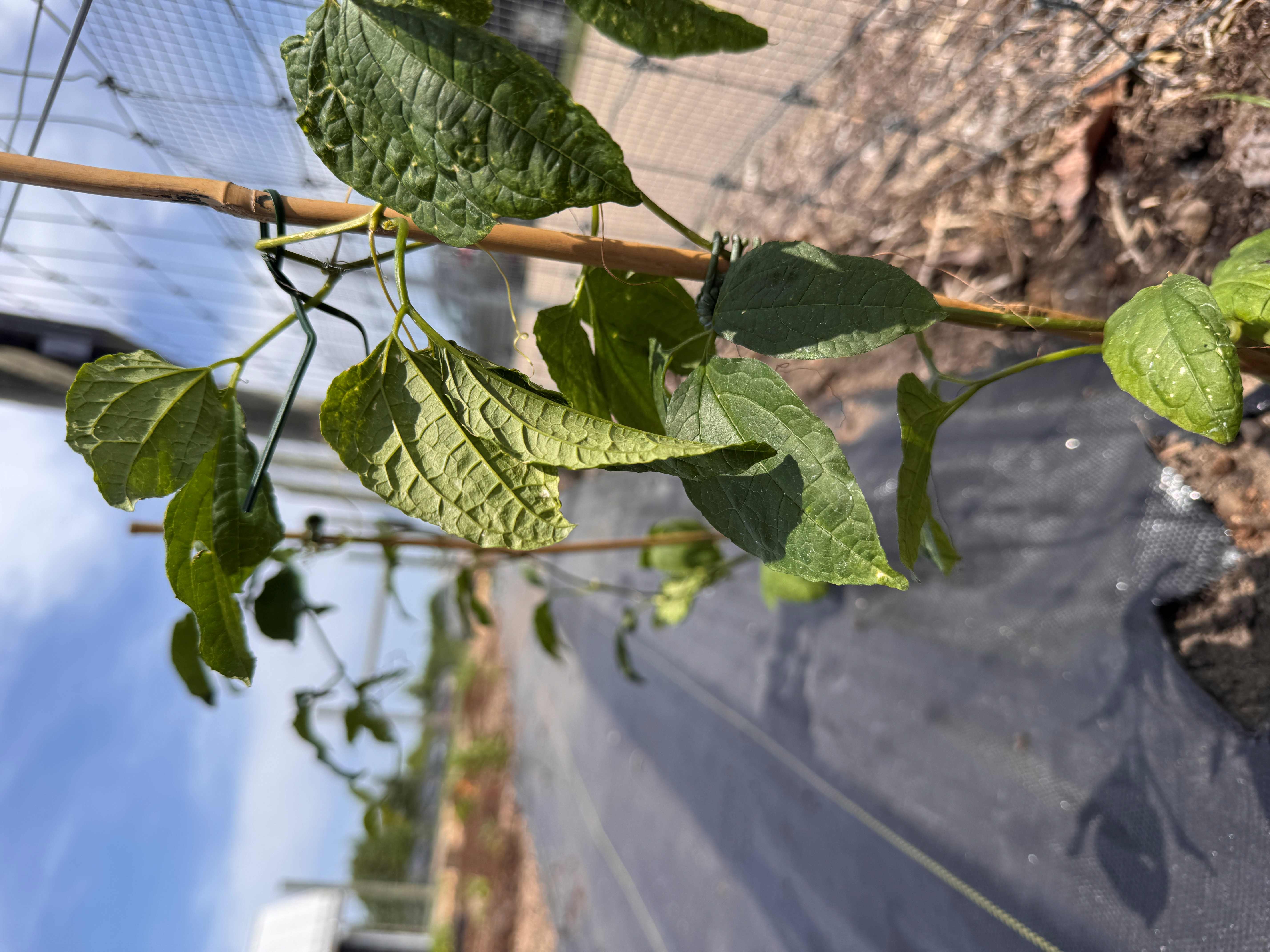
About the Omé-Na-Ala plants
Approximately 25 different plant species are on display in the Omé-Na-Ala (Igbo traditional farm) at the Minnesota Landscape Arboretum’s Farm at the Arb.
Chidi Chidozie’s favorite vegetable is Oko Uchiyu, or Fluted Pumpkin, because it packs a lot of nutritional value in its leaves, seeds and flowers, although the fruit itself is not edible. This speedy grower is expected to cover the fence with up to 50 feet of vine per plant. “It is a very popular vegetable in West Africa,” says Chidozie. “You cannot get enough of it.”
Other plants in the Omé-Na-Ala include:
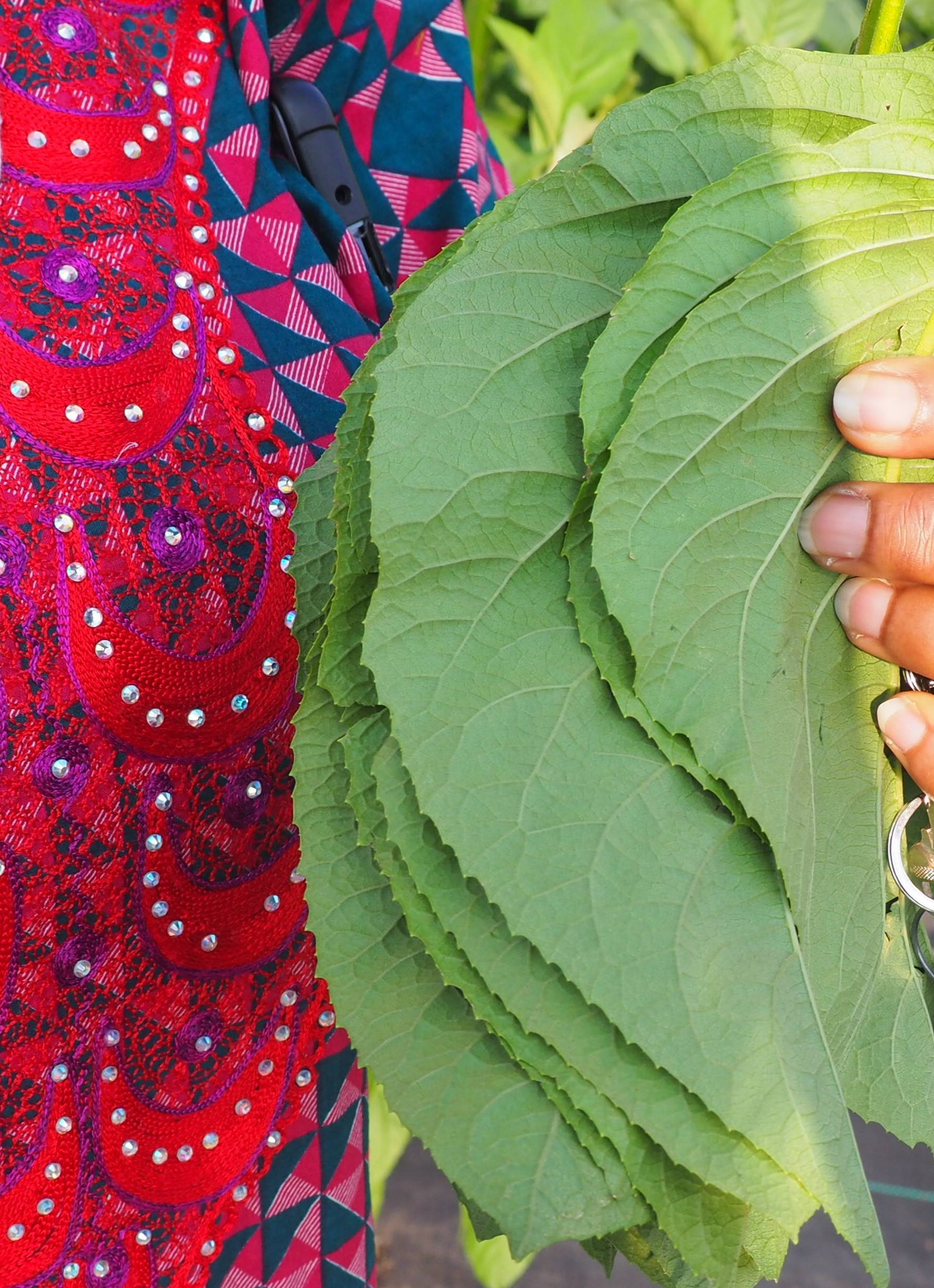
- Malabar spinach
- Amaranth
- Long afufa (Garden Egg)
- Round afufa (Garden Egg)
- Blue Nigerian basil
- Big Añara (African eggplant)
- Small Añara (African eggplant)
- Bitterleaf
- Waterleaf
- Jute mallow
- Peppers: Scotch Bonnet, Thai, Ashanti
- Elephant ears (taro)
- Canna Lily
- Ground Cherry
- Cocoyam
- A banana tree
- A palm tree
- Portulaca moss roses

A calling, and a new career, with plants
This University of Minnesota Extension Master Gardener Volunteer in Hennepin County and graduate of the University of Minnesota Duluth (2012) highlights the opportunities and people that nourished his journey to a career with plants. Read the Q and A with Brownson Arebojie Jr.
Permission is granted to news media to republish our news articles with credit to University of Minnesota Extension. Images also may be republished. Check for specific photographer credits or limited use restrictions in the photo title.