

A quick guide to herbs
- Many culinary herbs grown in Minnesota belong to two major plant families: mint and carrot.
- Start seeds indoors under fluorescent lights in late winter.
- Choose well-drained soil and avoid heavy clay or wet, nutrient-rich areas when planting outdoors.
- Most herbs need at least six hours of direct sunlight daily; full sun produces the best growth.
- Water regularly and do not allow plants to wilt.
- Harvest throughout the season by snipping leaves and stems as needed.
- Herbs can be preserved by air drying, dehydrating, microwave drying, or freezing, depending on the herb.
Herbs for seasoning and other uses
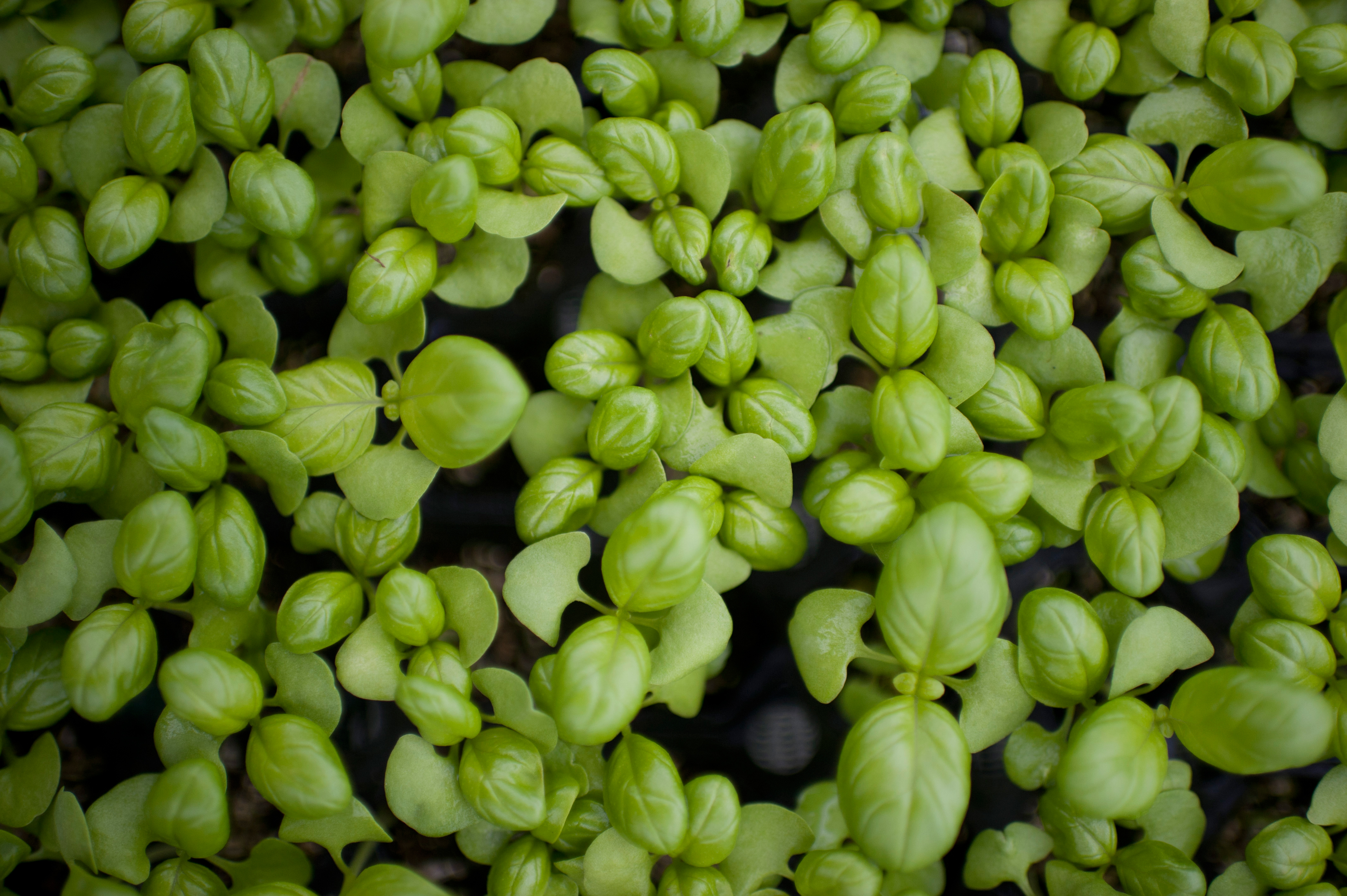
While herbs are widely grown for cooking, they have many additional uses. Their oils and fragrances are used in cosmetics, perfumes, dyes, and potpourri.
The medicinal properties of herbs continue to be researched, and many herbs are also used in dried arrangements and crafts.
Many culinary herbs grown in Minnesota fall into two main plant families.
Mint family (Lamiaceae)
Includes basil, oregano, marjoram, catnip, mints, rosemary, thyme, lavender, summer savory, and sage.
- Grown primarily for aromatic leaves.
- Generally bushy in form.
- Tolerant of heat and dry soil once established.
- Hardy perennial mints can spread aggressively and should be managed carefully.
Carrot family (Apiaceae)
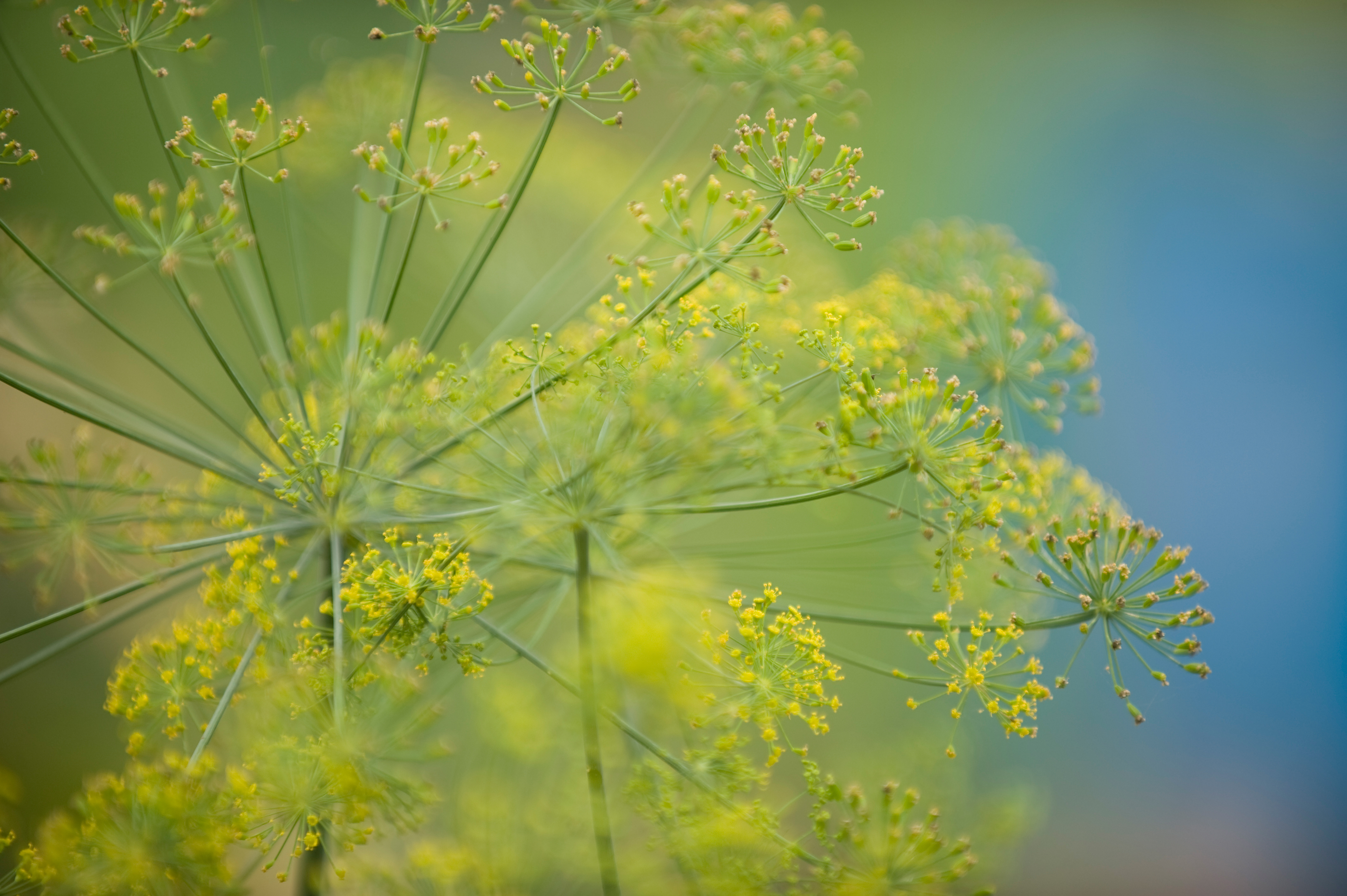
Includes dill, parsley, chervil, cilantro (coriander), fennel, and lovage.
- Grown for foliage and seeds.
- Upright, open growth habit.
- Prefer slightly moist soil with good depth and drainage.
Other herb families
Additional culinary herbs commonly grown in Minnesota include:
- Chives (Alliaceae)
- Borage (Boraginaceae)
- Tarragon (Asteraceae)
- Sorrel (Polygonaceae)
Planting, growing, harvesting and preserving herbs
Most herbs grow best in well-drained soil with a pH between 6.0 and 7.5. Avoid heavy clay, soggy soils, and overly fertile sites.
Rich soils promote fast, lush growth but reduce essential oil production, which lowers flavor and aroma. All containers, indoors or outdoors, must have drainage holes.
Fertilizing herbs
- Fertilize lightly.
- In garden beds, apply a 5-10-5 fertilizer once per season at 3 ounces per 10 feet of row, unless soil is poor or plants show nutrient deficiency.
- For container-grown herbs, use a half-strength liquid fertilizer:
- Every six weeks indoors.
- Every three to four weeks outdoors.
Starting seeds indoors
- Start seeds indoors under fluorescent lights in late winter, about 6 to 8 weeks before transplanting outdoors.
- Use clean containers filled with a seed-starting mix.
- Place lights 4 to 6 inches above seedlings and raise them as plants grow.
- Provide 14 to 16 hours of light per day for compact, sturdy growth.
Transplanting outdoors
- Transplant after the danger of frost has passed.
- Soil temperatures should be consistently at or above 50°F and dry enough to work without compaction.
Cool-season herbs (tolerate cooler soils):
- Parsley
- Chives
- Cilantro
- Dill
- Thyme
- Sage
Warm-season herbs (prefer soil near 60°F):
- Basil
- Rosemary
- Lavender
- Oregano
Spacing and propagation
- Space plants according to their mature size.
- Crowding causes weak growth, poor air circulation, and increased risk of disease.
- Perennial herbs such as chives and creeping thyme may be propagated by division in early spring.
Herbs thrive in full sun. Strong light increases essential oil production, improving flavor and fragrance. South- or west-facing exposures work best.
- Indoor herbs need about 12 hours of artificial light daily.
- Inadequate light results in thin, spindly growth.
Watering
- Outdoor garden herbs: water deeply once per week; soak the soil to 8 inches.
- Indoor herbs: water when soil is dry 1/2 inch below the surface.
- Outdoor container herbs may need daily watering in hot weather.
Avoid soggy soil. Constant moisture encourages root rot, especially indoors.
Mulching
Mulch hardy perennial herbs with 2 to 5 inches of straw, compost, leaves, or marsh hay to stabilize soil temperatures, reduce winter injury, and conserve moisture during summer.
Herbs can be preserved by drying or freezing. The best method depends on the herb and intended use.
Air drying (best overall)
- Harvest after dew dries.
- Bundle 4 or 5 stems together.
- Hang upside down in a dark, dry, well-ventilated area.
- Label bundles to prevent mix-ups.
- Allow 7-14 days to dry.
Drying with a dehydrator
- Rinse lightly if needed; pat dry.
- Spread herbs in a single layer on trays.
- Dry at 95 to 115°F for 2 to 6 hours.
- Leaves are dry when they crumble easily.
Microwave drying
- Dry in 15-second intervals.
- Check often to avoid cooking herbs.
- Expect trial and error.
Storage and freezing
- Remove leaves from stems before storage.
- Store in airtight containers, away from heat and light.
- Dried herbs keep up to one year.
- Re-dry if moisture forms.
For freezing:
- Freeze whole leaves or sprigs in labeled bags, or
- Chop herbs and freeze in ice cube trays with water.
Use frozen herbs within one year.
Reviewed in 2026