

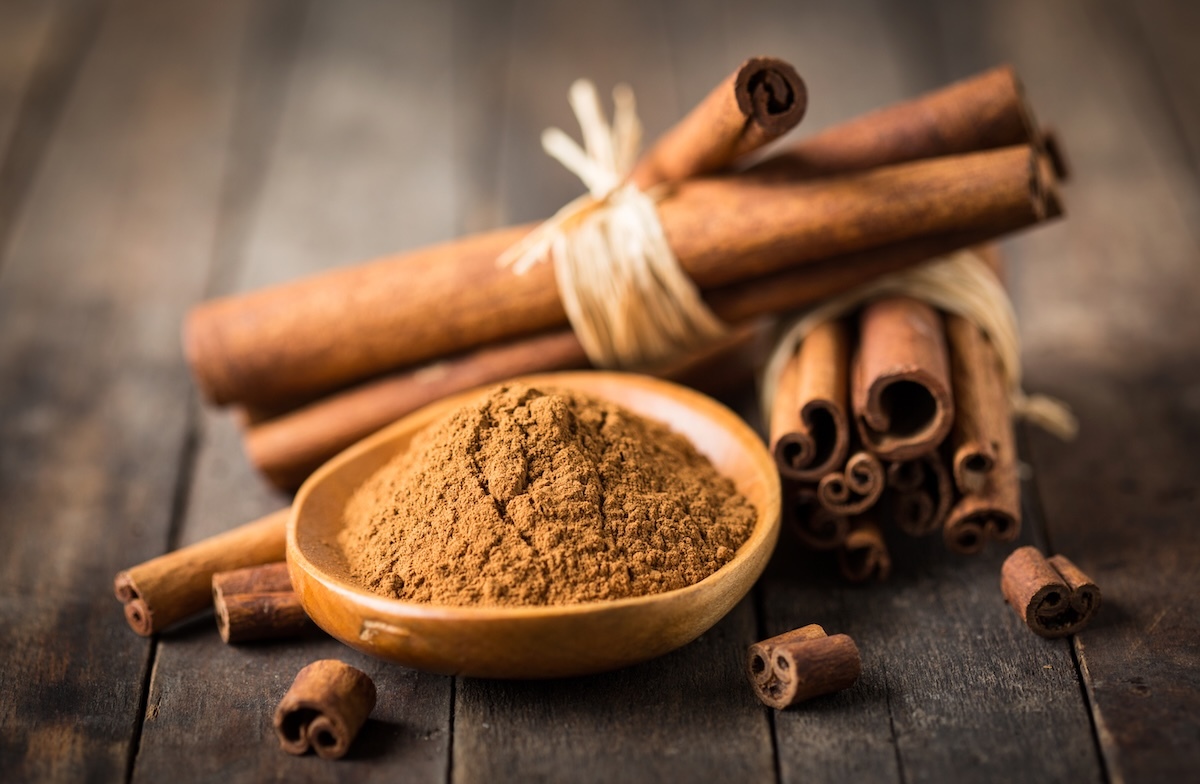
Cinnamon is a spice made from the inner bark of trees belonging to the Cinnamomum genus. These tropical evergreen trees are native to Asia and can grow 30 to 50 feet tall. China, Vietnam, Indonesia, and Sri Lanka are four of the world’s major cinnamon-producing countries.
In recent years, cinnamon has made headlines because of recalls involving elevated lead levels in certain cinnamon products. These recalls have raised concerns about how lead can contaminate spices and the potential health risks associated with exposure.
How does lead get into cinnamon?
Lead is a toxic heavy metal that occurs naturally in the Earth’s crust. However, human activities can increase the amount of concentrated lead in the environment. These activities include mining, manufacturing, and adding lead to materials to increase durability.
Cinnamon can become contaminated with lead through several pathways.
1. Environmental contamination
Lead from industrial pollution, battery manufacturing, leaded gasoline or other sources can contaminate soil and water. Cinnamon trees then absorb the contaminated water supply, leaching lead into the bark.
2. Processing and handling
Equipment and materials may contain lead if it was added to improve durability or if recycled materials containing lead were used to manufacture these products.
Cinnamon may become contaminated during processing, grinding or storage if it comes into contact with lead-contaminated equipment and materials.
3. Intentionally added
In some cases, suppliers may deliberately add lead-containing substances to increase a product’s weight with the intention to charge more for the same amount of cinnamon. Other lead-containing additives are sometimes added to enhance the color.
Adding a foreign or inferior substance to food that lowers the original quality, safety or nutritional value is also known as adulteration.
Cinnamon recalls and food safety
The Food and Drug Administration (FDA) has identified certain ground cinnamon products containing elevated levels of lead. Unlike foodborne illness-causing microorganisms, lead and other chemical contaminants are difficult to remove once in food. There is promising research within the food industry, investigating methods to remove heavy metals from food and water.
Recommendations for cottage food producers
- Stay informed about food recalls. Check FDA recall announcements regularly. If a ground cinnamon product you have purchased is recalled, stop using it and follow the FDA's instructions for disposal. Consult the FDA's latest lead-related recall information for current product details.
- Remove products if recalled ingredients were used. If you become aware of a recall after the implicated ingredient has already been used in your products but before it was sold to consumers, pull those products from your inventory and dispose of them according to the FDA’s instructions.
- Communicate recalled information to consumers. If you become aware of a recall after the implicated ingredient has already been used in your products and sold to consumers, consider notifying customers through an announcement on your website, a notice posted at your booth, or other communication channels. Include the recalled ingredient’s name and relevant details, as well as the names of your products that contained it.
- Choose products from reputable brands. Research and testing have identified concerns with some cinnamon products sold under unfamiliar brands. Buying from established suppliers may help reduce uncertainty, but no brand should be assumed to be free of contamination without reliable testing.
- Choose whole cinnamon sticks. Whole sticks may involve less grinding and processing than ground cinnamon, but they are not guaranteed to be free of lead.
- Do not rely on marketing claims alone. Labels such as “organic” and “natural” do not guarantee that a product is free of contaminants, including heavy metals like lead.
Health effects of lead exposure
Lead poisoning occurs when lead builds up in the body over time, often after repeated exposure over months or years. Even relatively low levels of lead exposure can be harmful.
Children younger than 6 years old are especially vulnerable because their bodies and brains are still developing. Lead exposure can affect brain development, learning, behavior, and growth. High levels of exposure can cause severe illness and, in extreme cases, death. Most people with lead exposure do not experience immediate or obvious symptoms.
Lead poisoning symptoms may include
- Abdominal pain
- Constipation
- Fatigue
- Headaches
- Irritability
- Difficulty concentrating
If you suspect that you or a family member has been exposed to elevated levels of lead, contact a healthcare provider to discuss whether a blood lead test is appropriate. Seek prompt medical advice if a child may have consumed a recalled product.
When to report a foodborne illness in Minnesota
If you believe that you became sick from eating any food or beverage, alert the Minnesota Department of Health:
- Call 1-877-FOOD-ILL (1-877-366-3455)
- Submit your report using the confidential Foodborne and Waterborne Illness Report
- Or, email [email protected]
Permission is granted to news media to republish our news articles with credit to University of Minnesota Extension. Images also may be republished. Check for specific photographer credits or limited use restrictions in the photo title.