

Today’s leaders are navigating a landscape defined by uncertainty, polarization and rapid change.
To equip leaders with the skills to respond to these challenges while also building trust, fostering collaboration and creating long-term solutions, University of Minnesota Extension’s leadership programs help participants navigate changes with confidence.
“We believe everyone has the ability to lead; our programs provide participants opportunities to increase the skills, confidence and connections that will help them implement positive community change,” says Holli Arp, program leader for leadership and civic engagement.
Things are going to look different, and that's okay. We just have to grasp the good and run with it. — Nancy Miller
Changing public discourse

For LeAnn Buck, a 1996 alum of the Minnesota Association of Soil and Water Conservation Districts (MASWCD) Leadership Institute and now MASWCD’s executive director, one of the biggest challenges she faces is the changing nature of public discourse. As someone who represents local governments and advocates at the state and federal levels, she sees how quickly social media-driven rhetoric can distort conversations.
“There’s rarely a counterpoint,” says Buck. “The rhetoric gets bounced around, and it's not healthy for governance.”
Instead of responding to divisive conversations, Buck draws on Extension’s lessons rooted in self‑awareness. Knowing her strengths allows her to collaborate more effectively with others to frame issues in ways that move conversations forward.
She sees how this approach benefits MASWCD members as well; many have completed the same training and now use those skills to frame issues thoughtfully, build trust, and lead effectively in their communities.
Looking beyond quick fixes

Malik Stewart, assistant dean of multicultural student services at the College of Saint Benedict and Saint John's University, and a 2025 graduate of Extension’s Gathering the Village program, is leading through uncertainty in higher education. Shifting federal policies, questions about diversity initiatives, declining enrollment, and increasing cultural divisions have made leadership more challenging than ever.
Extension's community capitals framework changed how Stewart approaches problem-solving. The framework is used to analyze community and economic development by categorizing local assets into seven distinct types. It encouraged him to look beyond quick fixes and examine the broader systems behind persistent challenges.
“We're doing Band-Aids right now, but we're not addressing the issue," Stewart says. “And you can't address the issue in isolation; you need others.”
He now applies those concepts on campus, helping students and colleagues understand adaptive leadership while building partnerships across institutions and communities. Stewart believes meaningful change requires investing in relationships, even when the return isn't immediately measurable.
Running with the good
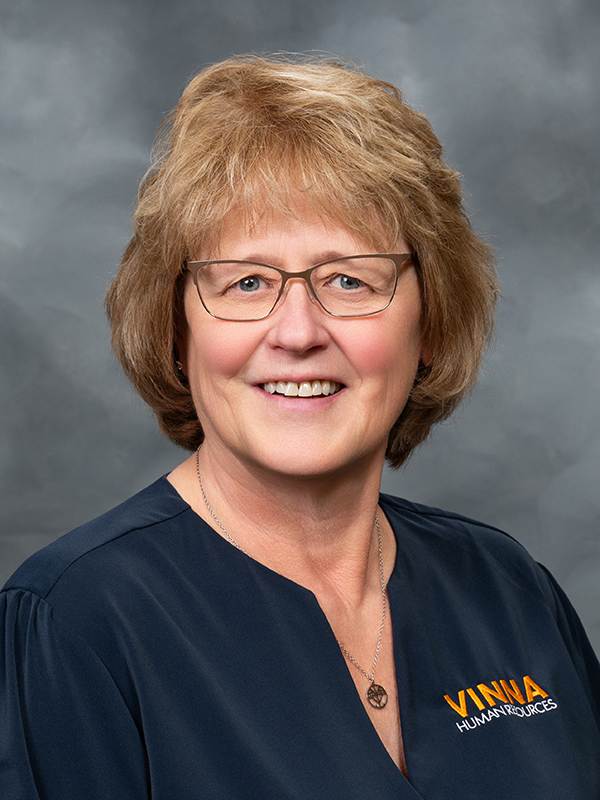
Nancy Miller, owner of Vinna Human Resources in Willmar and a 2024 graduate of the Minnesota Agriculture and Rural Leadership (MARL) program, sees rural Minnesota facing its own period of transformation. Workforce shortages, changing demographics, and evolving community needs require leaders to embrace change rather than resist it.
“Things are going to look different, and that's okay,” Miller says. “We just have to grasp the good and run with it.”
Extension's training strengthened her emotional intelligence, facilitation skills and understanding of strengths-based leadership. Those lessons continue to shape her work with clients, her community, and future MARL participants.
Maintaining hope

For Sunet Rubalcava, assistant director of the Center for Student Success at Concordia College and 2026 alum of Extension’s Growing Local Leadership, today's challenge is helping others stay optimistic during uncertain times.
“I feel like, more recently, being a leader means instilling a sense of hope,” Rubalcava says. As she works with college students navigating a rapidly changing world, she often asks herself how to help them find stability when so much feels uncertain.
Growing Local Leadership expanded Rubalcava's understanding of what community can be. The program challenged her to think beyond traditional boundaries, ask whose voices are missing, and intentionally build connections across silos.
Rubalcava says she was never told she could be a leader. Today, she's committed to changing that by encouraging others like her to step forward. She reminds emerging leaders that it's okay to ask for help, seek mentors, and remain grounded in the communities that shaped them.
I feel like, more recently, being a leader means instilling a sense of hope. — Sunet Rubalcava
Extending ripple effects
Although their challenges differ, Buck, Stewart, Miller and Rubalcava all show how the ripple effects of strong leadership extend far beyond individual organizations, strengthening communities across Minnesota for years to come.
“That is what we hope happens,” says Arp. “Knowledge is meant to be shared.”